
Have you ever wondered how to exercise correctly without feeling confused by all the fitness advice online? You’re not alone. Learning how to exercise correctly is one of the best investments you can make for your health, energy, and overall well-being. Whether you’re just starting your fitness journey or trying to improve your workout routine, exercising the right way helps you achieve better results while reducing the risk of injuries.
In this complete guide, we’ll walk through everything you need to know in a simple, friendly way. By the end, you’ll feel confident about building a safe and effective exercise routine that works for your lifestyle.
Why Exercising Correctly Matters
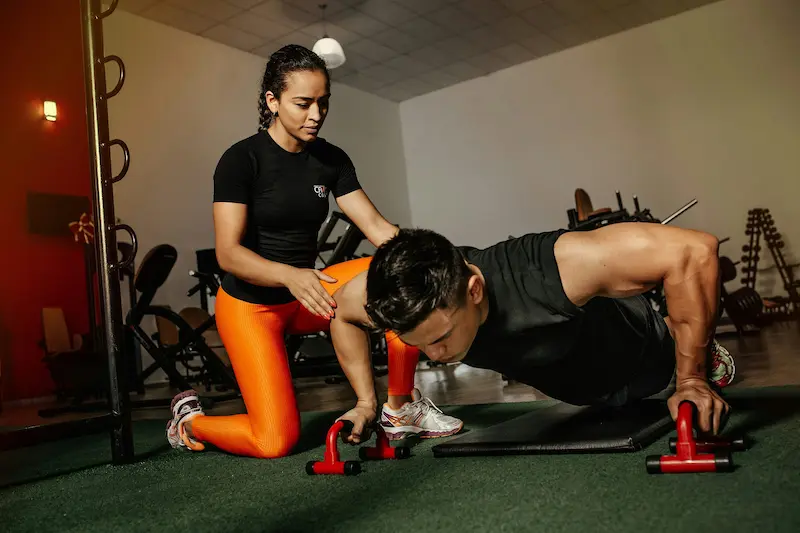
Many people focus on exercising harder instead of exercising smarter. However, using the proper techniques offers several benefits:
- Reduces the risk of injuries
- Improves strength and endurance
- Helps muscles recover faster
- Burns calories more efficiently
- Builds long-term healthy habits
- Improves posture and flexibility
- Boosts confidence during workouts
Proper exercise isn’t about perfection—it’s about consistency and using good form.
Start with a Proper Warm-Up
One of the biggest mistakes people make is skipping the warm-up.
A warm-up prepares your muscles, joints, and heart for physical activity. It increases blood flow and helps prevent injuries.
Good Warm-Up Exercises
- Brisk walking
- Light jogging
- Arm circles
- Leg swings
- Bodyweight squats
- Jumping jacks
- Hip rotations
Spend about 5 to 10 minutes warming up before every workout.
Learn the Correct Exercise Form
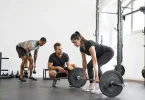
Good form is more important than lifting heavy weights or exercising faster.
Here are a few tips:
- Keep your back straight.
- Tighten your core muscles.
- Move slowly and with control.
- Avoid jerky movements.
- Focus on quality instead of quantity.
If you’re unsure about a movement, practice without weights first until your technique feels natural.
Wear the Right Workout Clothing
Comfortable clothing makes exercise easier.
Choose:
- Breathable workout clothes
- Proper athletic shoes
- Moisture-wicking socks
- Comfortable sportswear that allows movement
The right shoes are especially important because they support your feet and reduce stress on your joints.
Follow a Balanced Workout Routine
A complete fitness plan should include different types of exercise.
1. Cardio Exercise
Cardio improves heart health and burns calories.
Examples include:
- Walking
- Running
- Cycling
- Swimming
- Jump rope
- Dancing
Aim for 150 minutes of moderate cardio per week.
2. Strength Training
Strength training builds muscles and improves metabolism.
Exercises include:
- Push-ups
- Squats
- Lunges
- Dumbbell presses
- Rows
- Deadlifts
- Resistance band exercises
Train each major muscle group at least twice per week.
3. Flexibility Exercises
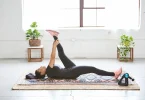
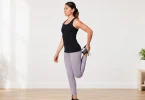
Stretching keeps muscles flexible and improves mobility.
Try:
- Hamstring stretches
- Shoulder stretches
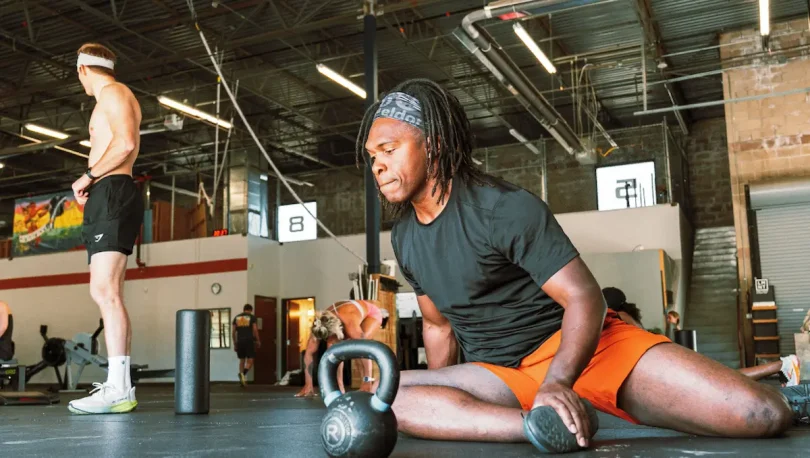
- Hip stretches
- Yoga poses
- Calf stretches
Stretch after your workout when muscles are warm.
4. Balance Training
Balance exercises improve stability and coordination.
Examples:
- Standing on one foot
- Heel-to-toe walking
- Tai Chi
- Stability ball exercises
These exercises are especially useful for older adults.
Focus on Proper Breathing
Many beginners forget to breathe correctly.
General rule:
- Inhale during the easier part of the movement.
- Exhale during the hardest part.
For example:
During a squat:
- Breathe in as you lower.
- Breathe out as you stand.
Proper breathing improves endurance and helps maintain good form.
Start Slowly
You don’t need to exercise intensely on day one.
Instead:
- Begin with short workouts.
- Increase intensity gradually.
- Add weight only after mastering proper form.
- Give your body time to adapt.
Consistency beats intensity every time.
You may also like to read this:
Exercise Guide For Beginners: Build Healthy Fitness Habits
Home Exercise Guide: Build Strength Without A Gym
Strength Training Guide: Exercises, Benefits & Workout Tips
Cardio Exercise Guide: Best Exercises for Weight Loss
Daily Exercise Routine For Beginners | Easy Workout Plan
Stay Hydrated
Your muscles need water to perform well.
Drink:
- Water before exercise
- Small sips during workouts
- Water after exercising
If you’re exercising for more than an hour or in hot weather, consider replenishing electrolytes as well.
Listen to Your Body
Exercise should challenge you, but it shouldn’t cause sharp pain.
Stop exercising if you experience:
- Chest pain
- Severe dizziness
- Sharp joint pain
- Difficulty breathing
- Extreme fatigue
It’s okay to take a rest day when your body needs one.
Don’t Skip Recovery
Recovery is when your body becomes stronger.
Recovery includes:
- Getting enough sleep
- Eating nutritious meals
- Drinking plenty of water
- Stretching
- Taking rest days
Muscles grow during recovery—not during the workout itself.
Eat Healthy to Support Exercise
Your body needs fuel.
Choose foods like:
- Lean protein
- Whole grains
- Fruits
- Vegetables
- Healthy fats
- Dairy or calcium-rich alternatives
Try eating a light meal 1–2 hours before exercise and include protein after your workout to support muscle recovery.
Common Exercise Mistakes to Avoid
Avoid these common errors:
- Skipping warm-ups
- Poor posture
- Using weights that are too heavy
- Holding your breath
- Exercising every day without rest
- Ignoring pain
- Not drinking enough water
- Comparing yourself to others
Everyone progresses at their own pace.
Sample Weekly Workout Plan
Monday
- 30-minute walk
- Full-body strength workout
Tuesday
- Stretching
- Yoga
Wednesday
- Cycling
- Core exercises
Thursday
- Upper-body strength training
Friday
- Jogging
- Flexibility exercises
Saturday
- Lower-body workout
- Balance exercises
Sunday
- Active recovery
- Easy walk
- Gentle stretching
Tips to Stay Consistent
Building a routine is easier when you make exercise part of your lifestyle.
Helpful tips:
- Set realistic goals.
- Schedule workouts.
- Track your progress.
- Exercise with a friend.
- Celebrate small improvements.
- Try different activities to avoid boredom.
Remember, fitness is a long-term journey.
Signs You’re Exercising Correctly
You’ll know your routine is working if you notice:
- Increased energy
- Better sleep
- Improved strength
- Better posture
- Reduced stress
- Improved flexibility
- Healthy weight management
- Faster recovery over time
These positive changes often appear gradually with consistent effort.
FAQs: How To Exercise Correctly
How long should I exercise each day?
Most adults should aim for at least 30 minutes of moderate exercise on most days, combined with strength training twice a week.
Is it okay to exercise every day?
Yes, but vary the intensity. Include lighter activities or active recovery days so your body has time to recover.
What is the correct order of exercise?
A good order is:
Warm-up
Cardio or strength training
Cool-down
Stretching
Should beginners lift heavy weights?
No. Start with light weights or bodyweight exercises and focus on mastering proper technique before increasing resistance.
What should I eat after exercising?
Choose a meal or snack with protein and healthy carbohydrates, such as grilled chicken with rice, yogurt with fruit, or eggs with whole-grain toast.
Final Thoughts
Learning how to exercise correctly doesn’t require expensive equipment or advanced fitness knowledge. It simply means using proper form, warming up, staying consistent, listening to your body, and following a balanced routine that includes cardio, strength, flexibility, and recovery.
Remember, progress doesn’t happen overnight. Every workout is a step toward becoming healthier and stronger. Start where you are, stay patient, and focus on building habits you can maintain for years. By following these simple principles, you’ll not only learn how to exercise correctly but also enjoy a safer, more effective, and rewarding fitness journey.