

If you’re looking for a cardio exercise guide that is simple, practical, and easy to follow, you’ve come to the right place. Whether you’re just starting your fitness journey or want to improve your endurance, this cardio exercise guide will help you understand everything you need to know. The best part is that you don’t need expensive equipment or a gym membership to enjoy the benefits of cardio exercise.
Cardio workouts strengthen your heart, improve lung function, burn calories, increase energy, and support both physical and mental health. Let’s explore how you can make cardio a regular and enjoyable part of your daily routine.
What Is Cardio Exercise?
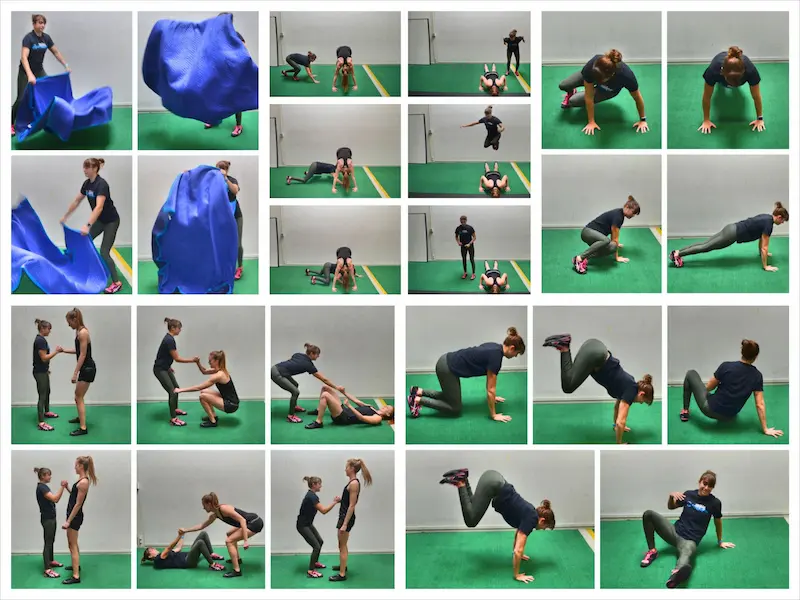
Cardio exercise, also called cardiovascular or aerobic exercise, is any activity that raises your heart rate and keeps it elevated for a period of time. During cardio workouts, your heart pumps more blood, and your lungs work harder to deliver oxygen to your muscles.
Common examples include:
- Walking
- Running
- Cycling
- Swimming
- Dancing
- Jump rope
- Hiking
- Rowing
- Stair climbing
- Aerobic workouts
The goal is to keep moving continuously while challenging your cardiovascular system.
Why Is Cardio Important?
Regular cardio exercise provides benefits that go far beyond weight loss.
Improves Heart Health
Cardio strengthens your heart muscle, helping it pump blood more efficiently while reducing the risk of heart disease.
Burns Calories
Whether your goal is weight loss or maintaining your current weight, cardio helps increase calorie burn.
Boosts Energy
Although exercising may seem tiring at first, regular cardio actually improves stamina, making daily activities feel easier.
Supports Mental Health
Exercise releases endorphins that improve mood, reduce stress, and help fight anxiety.
Improves Lung Capacity
Regular aerobic exercise trains your lungs to use oxygen more efficiently.
Better Sleep
People who perform regular cardio often enjoy deeper and more restful sleep.
Helps Control Blood Sugar
Cardio improves insulin sensitivity, helping your body regulate blood sugar more effectively.
Different Types of Cardio Exercise
Everyone has different fitness goals, so choosing the right type of cardio matters.
Walking
Walking is perfect for beginners because it’s low-impact, easy, and free.
Benefits include:
- Gentle on joints
- Easy to maintain
- Great for daily fitness
- Suitable for all ages
Running
Running burns more calories and improves cardiovascular endurance quickly.
Best for:
- Weight loss
- Building stamina
- Improving athletic performance
Cycling
Cycling strengthens your legs while providing an excellent cardiovascular workout.
Benefits:
- Low-impact
- Great for knees
- Suitable indoors or outdoors
Swimming
Swimming works nearly every muscle while placing very little stress on your joints.
It’s ideal for:
- Older adults
- Injury recovery
- Full-body fitness
Jump Rope
Jump rope is one of the most effective calorie-burning exercises.
Advantages include:
- Improves coordination
- Builds endurance
- Strengthens legs
- Saves time
Dancing
If traditional workouts feel boring, dancing offers an enjoyable way to stay active.
Popular styles include:
- Zumba
- Hip-hop
- Salsa
- Freestyle dance workouts
HIIT Cardio
High-Intensity Interval Training (HIIT) alternates short bursts of intense activity with recovery periods.
Example:
- 30 seconds sprint
- 60 seconds walk
- Repeat 10 times
HIIT is highly effective for improving fitness while saving time.
You may also like to read this:
Healthy Eating Foods: Top Healthy Foods To Eat Every Day
Top Superfoods For Health To Support Your Body Naturally
Exercise Guide For Beginners: Build Healthy Fitness Habits
Home Exercise Guide: Build Strength Without A Gym
Strength Training Guide: Exercises, Benefits & Workout Tips
Cardio Exercise Guide for Beginners
If you’re new to exercise, don’t worry. You don’t have to train like an athlete on day one.
Week 1
- Walk for 20 minutes
- 5 days per week
Week 2
- Walk briskly for 25–30 minutes
Week 3
- Add short jogging intervals
Week 4
- Increase total workout to 35–40 minutes
Consistency is more important than intensity.
How Much Cardio Should You Do?
General recommendations include:
- 150 minutes of moderate-intensity cardio each week
or
- 75 minutes of vigorous cardio weekly
For additional health benefits, many people gradually increase this amount based on their fitness goals.
Best Cardio Exercises at Home
No gym? No problem.
Try these home-friendly exercises:
- Jumping jacks
- High knees
- Mountain climbers
- Burpees
- Jump rope
- Dancing
- Marching in place
- Stair climbing
- Shadow boxing
These exercises require little or no equipment.
Cardio Exercises for Weight Loss
If your goal is losing weight, combine cardio with healthy eating.
Excellent calorie-burning exercises include:
- Running
- HIIT workouts
- Jump rope
- Stair climbing
- Cycling
- Swimming
Remember that long-term weight loss depends on maintaining a calorie deficit while eating nutritious foods.
Cardio for Building Endurance
Improving endurance takes time.
Helpful activities include:
- Long-distance walking
- Jogging
- Cycling
- Swimming
- Rowing
- Hiking
Increase your workout duration gradually each week.
Low-Impact Cardio Options
If you have joint pain or are recovering from an injury, low-impact cardio can still provide excellent results.
Examples include:
- Walking
- Swimming
- Cycling
- Water aerobics
- Elliptical training
These activities reduce stress on your knees and hips.
Cardio Before or After Strength Training?
The answer depends on your goal.
Choose cardio first if:
- Improving endurance is your priority
- Training for races
- Increasing cardiovascular fitness
Choose strength training first if:
- Building muscle
- Increasing strength
- Improving power
Many people combine both during the same week for balanced fitness.
Common Cardio Mistakes
Avoid these mistakes for better results:
- Doing too much too soon
- Skipping warm-ups
- Ignoring recovery days
- Wearing poor footwear
- Not drinking enough water
- Performing the same workout every day
- Neglecting strength training
- Exercising with poor posture
Tips to Stay Motivated
Staying consistent is often the hardest part.
Try these ideas:
- Set realistic goals.
- Track your workouts.
- Listen to your favorite music or podcasts.
- Exercise with a friend.
- Celebrate small milestones.
- Try new activities regularly.
- Schedule workouts like appointments.
Sample Weekly Cardio Exercise PlanMonday
30-minute brisk walk
Tuesday
20-minute cycling
Wednesday
HIIT workout (20 minutes)
Thursday
Rest or light walking
Friday
30-minute jog
Saturday
Swimming or dancing
Sunday
Relaxing nature walk or stretching
What Should You Eat Before Cardio?
A light meal or snack 30–90 minutes before exercise can help fuel your workout.
Good options include:
- Banana
- Oatmeal
- Whole-grain toast with peanut butter
- Greek yogurt with fruit
- Smoothie
Stay hydrated before, during, and after exercise.
Frequently Asked Questions
Is walking enough for cardio?
Yes. Brisk walking is an excellent cardiovascular exercise, especially for beginners and those looking for a low-impact option.
Can I do cardio every day?
Yes, if you vary the intensity and allow your body adequate recovery. Include lighter sessions between more intense workouts.
How long should a cardio workout last?
Most workouts last between 20 and 60 minutes, depending on your fitness level and goals.
Which cardio burns the most calories?
Running, jump rope, HIIT, swimming, and stair climbing are among the highest calorie-burning cardio exercises.
Is cardio good for belly fat?
Cardio helps burn calories and reduce overall body fat. Combined with a balanced diet and strength training, it can contribute to reducing belly fat over time.
Do I need equipment for cardio?
No. Many effective cardio exercises, such as walking, jogging, dancing, jumping jacks, and high knees, require little or no equipment.
Final Thoughts
Following a cardio exercise guide doesn’t have to be complicated. The key is choosing activities you enjoy, starting at a pace that suits your fitness level, and staying consistent over time. Whether you prefer walking, cycling, swimming, dancing, or HIIT workouts, regular cardio can improve your heart health, boost your energy, support weight management, and enhance your overall well-being.
Begin with small, achievable goals, stay active every week, and you’ll build healthier habits that last for years.