
Have you ever wondered which healthy eating foods you should add to your daily meals? If so, you’re not alone. Many people want to eat healthier but aren’t sure where to start. The good news is that healthy eating doesn’t have to be expensive, complicated, or boring. By choosing the right foods and building balanced meals, you can improve your energy, support your immune system, maintain a healthy weight, and reduce the risk of many chronic diseases.
In this complete guide, you’ll learn everything you need to know about healthy eating foods, including their benefits, the best foods to include in your diet, meal ideas, foods to limit, and practical tips that make healthy eating easy and enjoyable.
What Are Healthy Eating Foods?
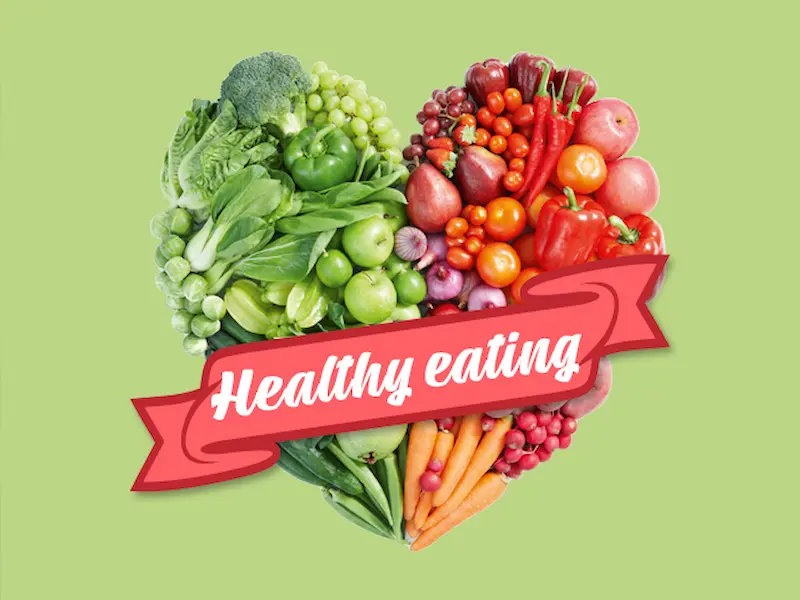
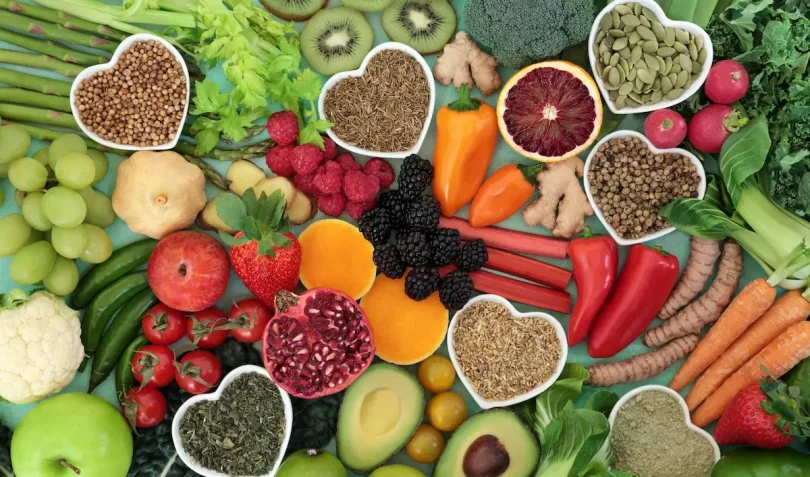
Healthy eating foods are foods that provide your body with essential nutrients such as:
- Vitamins
- Minerals
- Protein
- Healthy fats
- Fiber
- Complex carbohydrates
- Antioxidants
These foods nourish your body while helping you feel full, energized, and healthy. Instead of focusing on strict diets, healthy eating is about choosing nutrient-rich foods most of the time.
Why Healthy Eating Foods Matter
The foods you eat affect nearly every part of your body. Eating nutritious foods consistently can improve both physical and mental well-being.
Benefits include:
- Increased energy levels
- Better digestion
- Stronger immune system
- Improved brain function
- Better heart health
- Healthier skin
- Strong bones
- Better sleep
- Weight management
- Reduced risk of diabetes and heart disease
Healthy eating is a long-term lifestyle that supports overall wellness.
Top Healthy Eating Foods You Should Include
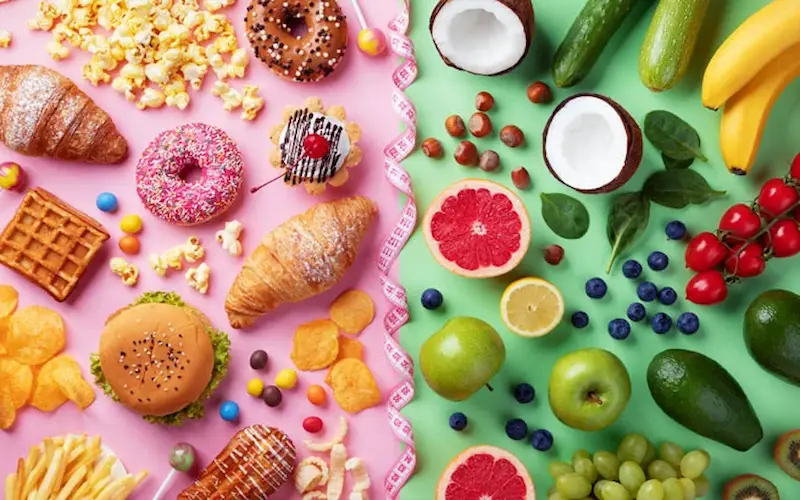
1. Fresh Vegetables
Vegetables are among the healthiest foods available because they’re packed with nutrients and low in calories.
Great choices include:
- Spinach
- Broccoli
- Carrots
- Cauliflower
- Kale
- Bell peppers
- Tomatoes
- Cucumbers
- Cabbage
- Green beans
Aim to fill half your plate with vegetables at lunch and dinner.
2. Fresh Fruits
Fruits provide natural sweetness along with vitamins, minerals, antioxidants, and fiber.
Excellent options:
- Apples
- Bananas
- Oranges
- Blueberries
- Strawberries
- Grapes
- Mangoes
- Papaya
- Kiwi
- Watermelon
Try eating whole fruits instead of drinking fruit juice.
3. Whole Grains
Whole grains provide long-lasting energy because they digest more slowly than refined grains.
Healthy whole grains include:
- Brown rice
- Oats
- Quinoa
- Whole wheat bread
- Whole wheat pasta
- Barley
- Millet
Whole grains are rich in fiber, which supports digestive health.
4. Lean Protein Foods
Protein helps build muscles, repair tissues, and keep you full longer.
Healthy protein choices:
- Chicken breast
- Turkey
- Fish
- Eggs
- Lentils
- Beans
- Chickpeas
- Tofu
- Greek yogurt
Include protein in every meal whenever possible.
5. Healthy Fats
Not all fats are unhealthy. Your body actually needs healthy fats for brain and heart health.
Choose:
- Avocados
- Olive oil
- Almonds
- Walnuts
- Pistachios
- Chia seeds
- Flaxseeds
- Pumpkin seeds
Eat these in moderation because they’re calorie-dense.
6. Dairy or Dairy Alternatives
These foods provide calcium and protein.
Healthy options include:
- Low-fat milk
- Plain yogurt
- Cottage cheese
- Cheese (in moderation)
- Fortified soy milk
- Fortified almond milk
Choose unsweetened varieties when possible.
7. Seafood
Fish provides high-quality protein and healthy omega-3 fatty acids.
Best choices:
- Salmon
- Tuna
- Sardines
- Trout
- Mackerel
Aim for at least two servings of fish each week if it fits your diet.
8. Legumes
Legumes are affordable, nutritious, and rich in plant protein.
Examples:
- Black beans
- Kidney beans
- Chickpeas
- Lentils
- Peas
They’re also high in fiber, making them very filling.
You may also like to read this:
15 Self Care Habits That Can Transform Your Daily Life
Healthy Foods List: Nutritious Foods for Better Health
Best Foods For Health | Healthy Eating Guide For Everyone
Nutrient Rich Foods: Complete Guide To Healthy Eating
Top Foods For A Balanced Diet For Everyday Nutrition
Foods to Limit
Healthy eating isn’t about completely avoiding certain foods, but limiting less nutritious choices can benefit your health.
Try to reduce:
- Sugary drinks
- Candy
- Cakes
- Cookies
- Chips
- Fast food
- Fried foods
- Processed meats
- White bread
- Sugary cereals
Enjoy these foods occasionally rather than every day.
How to Build a Healthy Plate
A balanced plate makes healthy eating simple.
Try this method:
- Half: Vegetables and fruits
- One-quarter: Lean protein
- One-quarter: Whole grains
- Add a small serving of healthy fats
- Drink water instead of sugary beverages
This approach helps provide a variety of nutrients without needing to count calories.
Healthy Breakfast Ideas
Start your day with nutrient-rich foods.
Ideas include:
- Oatmeal with berries and nuts
- Greek yogurt with fruit
- Whole wheat toast with avocado and eggs
- Smoothie with spinach, banana, and yogurt
- Whole grain cereal with low-fat milk
A balanced breakfast can help keep you energized throughout the morning.
Healthy Lunch Ideas
Nutritious lunches keep you satisfied during the day.
Try:
- Grilled chicken salad
- Brown rice with vegetables and beans
- Turkey sandwich on whole wheat bread
- Lentil soup
- Quinoa bowl with roasted vegetables
Healthy Dinner Ideas
Dinner doesn’t need to be heavy.
Healthy options include:
- Grilled salmon with broccoli
- Stir-fried vegetables with tofu
- Chicken with brown rice
- Vegetable soup
- Baked fish with sweet potato
Healthy Snack Ideas
Choose snacks that combine protein, fiber, or healthy fats.
Good options:
- Apple with peanut butter
- Mixed nuts
- Greek yogurt
- Carrot sticks with hummus
- Cottage cheese
- Fresh berries
- Boiled eggs
- Air-popped popcorn
Tips for Choosing Healthy Eating Foods
Healthy habits become easier with small daily changes.
Helpful tips:
- Shop with a grocery list.
- Read nutrition labels.
- Cook at home more often.
- Choose whole foods over processed foods.
- Drink plenty of water.
- Eat slowly and mindfully.
- Include colorful fruits and vegetables.
- Avoid skipping meals.
- Control portion sizes.
- Plan meals ahead of time.
Consistency matters more than perfection.
Common Healthy Eating Mistakes
Avoid these common habits:
- Skipping breakfast
- Drinking too many sugary beverages
- Eating too much processed food
- Ignoring portion sizes
- Not eating enough vegetables
- Following extreme diets
- Eating too quickly
- Relying heavily on takeout meals
Making gradual improvements is often more sustainable than drastic changes.
Healthy Eating Foods for Weight Management
If your goal is to maintain or lose weight, focus on foods that are filling and nutrient-dense.
Choose more:
- Vegetables
- Fruits
- Lean proteins
- Whole grains
- Beans
- Low-fat dairy
Limit foods high in added sugar and unhealthy fats while paying attention to portion sizes.
Healthy Eating Foods on a Budget
Eating well doesn’t have to cost a lot.
Budget-friendly choices include:
- Oats
- Brown rice
- Eggs
- Frozen vegetables
- Frozen fruit
- Lentils
- Beans
- Canned tuna
- Seasonal produce
- Potatoes
Buying in bulk and planning meals can help reduce food waste and save money.
Simple One-Day Healthy Meal Plan
Breakfast
- Oatmeal with blueberries and almonds
Morning Snack
- Apple and a handful of walnuts
Lunch
- Grilled chicken with brown rice and mixed vegetables
Afternoon Snack
- Greek yogurt
Dinner
- Baked salmon with roasted broccoli and quinoa
Evening Snack
- Fresh berries
This meal plan includes a balance of protein, healthy fats, fiber, and complex carbohydrates.
How Healthy Eating Foods Support Overall Health
Making nutritious food choices benefits many aspects of your health.
Regularly eating healthy eating foods can help:
- Improve digestion
- Support heart health
- Strengthen immunity
- Maintain healthy blood sugar levels
- Improve concentration
- Support healthy aging
- Increase energy
- Promote better sleep
- Reduce inflammation
- Support healthy weight
Small, consistent choices can lead to lasting health improvements.
Frequently Asked Questions (FAQs)
What are the healthiest foods to eat every day?
Some of the healthiest choices include vegetables, fruits, whole grains, lean proteins, legumes, nuts, seeds, and low-fat dairy.
Can healthy eating foods help with weight loss?
Yes. Nutrient-dense foods that are high in protein and fiber can help you feel full longer, making it easier to manage your calorie intake.
How many servings of fruits and vegetables should I eat daily?
Many health experts recommend at least five servings of fruits and vegetables each day as part of a balanced diet.
Are frozen fruits and vegetables healthy?
Yes. Frozen produce is often picked at peak ripeness and retains most of its nutrients, making it a convenient and nutritious option.
Do I have to avoid all unhealthy foods?
No. Healthy eating is about balance. Enjoy treats occasionally while making nutritious foods the foundation of your diet.
AIs drinking water part of healthy eating?
Absolutely. Staying hydrated supports digestion, energy levels, temperature regulation, and overall health.
Conclusion
Choosing healthy eating foods is one of the best investments you can make in your long-term health. You don’t need a perfect diet to see positive results. Start by adding more fruits, vegetables, whole grains, lean proteins, and healthy fats to your meals while reducing processed foods and sugary drinks.
Over time, these simple habits can improve your energy, support your body, and help you feel your best every day. Remember, healthy eating is a journey, and every nutritious choice you make brings you one step closer to a healthier lifestyle.