

Have you ever felt like you’re constantly busy but still running on empty? If so, building self care habits can make a huge difference. Self care habits are small, intentional actions that help you take care of your physical, mental, and emotional well-being. The best part is that you don’t need expensive products or hours of free time. A few simple daily habits can help you feel healthier, calmer, and more energized.
In this guide, you’ll learn what self care habits are, why they matter, and how you can create a routine that fits your lifestyle.
What Are Self Care Habits?
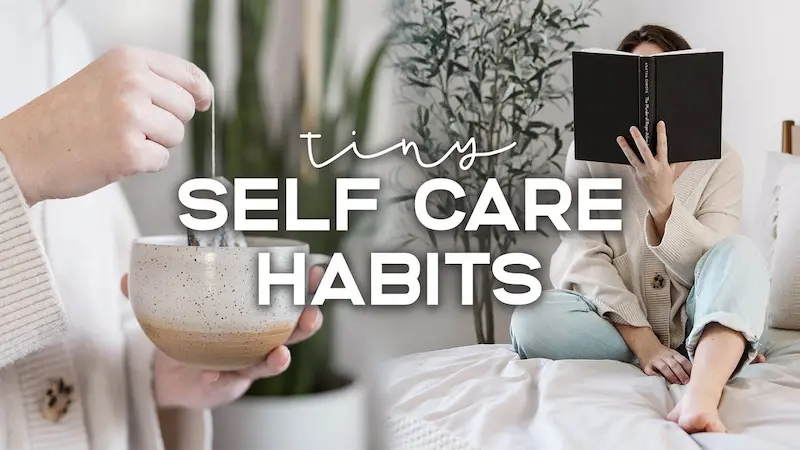
Self care habits are healthy routines you practice regularly to support your overall well-being. Instead of waiting until you’re stressed or exhausted, these habits help you stay balanced every day.
They include activities that improve your:
- Physical health
- Mental health
- Emotional wellness
- Social connections
- Personal growth
The goal isn’t perfection. It’s creating small routines that make your life healthier and happier over time.
Why Self Care Habits Matter
Many people think self-care is only about spa days or vacations. While those can be enjoyable, true self-care happens in your daily routine.
Healthy self care habits can help you:
- Reduce daily stress
- Improve your mood
- Increase energy levels
- Sleep better
- Build confidence
- Strengthen relationships
- Improve focus and productivity
- Prevent burnout
- Support long-term physical health
Even five to ten minutes of self-care each day can create positive changes.
Benefits of Building Self Care Habits
Better Mental Health
Regular self-care helps calm your mind and reduce feelings of anxiety and overwhelm.
Benefits include:
- Less stress
- Better emotional balance
- Improved focus
- Greater resilience
Improved Physical Health
Taking care of your body improves how you feel every day.
Healthy habits include:
- Eating nutritious meals
- Drinking enough water
- Exercising regularly
- Sleeping well
These habits support your immune system and overall health.
More Energy Throughout the Day
Simple routines like staying hydrated, moving your body, and sleeping enough help maintain steady energy.
Instead of relying on caffeine, healthy habits naturally boost your energy.
Stronger Emotional Well-Being
Self-care allows you to understand and manage your emotions.
You become better at:
- Handling stress
- Managing difficult situations
- Practicing patience
- Feeling more positive
Better Relationships
When you take care of yourself, you often have more patience and emotional energy for others.
Healthy relationships start with a healthy relationship with yourself.
Best Self Care Habits to Practice Every Day
1. Start Your Morning Without Your Phone
Instead of checking social media immediately, spend your first few minutes:
- Stretching
- Drinking water
- Deep breathing
- Setting goals for the day
You’ll begin your day feeling calmer and more focused.
2. Drink Plenty of Water
Hydration affects your:
- Energy
- Skin
- Digestion
- Brain function
Keep a reusable water bottle nearby as a reminder.
3. Get Enough Sleep
Quality sleep is one of the most important self care habits.
Aim for:
- 7–9 hours of sleep
- Consistent bedtime
- Comfortable sleeping environment
- Limited screen time before bed
4. Move Your Body Daily
Exercise doesn’t have to mean intense workouts.
Try:
- Walking
- Yoga
- Stretching
- Cycling
- Dancing
Even 20 minutes can improve your mood.
5. Eat Balanced Meals
Fuel your body with nutritious foods like:
- Fruits
- Vegetables
- Lean protein
- Whole grains
- Healthy fats
Healthy eating supports both physical and mental wellness.
6. Practice Gratitude
Spend a few minutes each day writing down three things you’re thankful for.
Gratitude helps shift your focus from problems to positive moments.
7. Take Short Breaks
Working without breaks can lead to burnout.
Every hour:
- Stand up
- Stretch
- Walk around
- Rest your eyes
Small breaks improve concentration.
8. Practice Deep Breathing
Deep breathing helps calm your nervous system.
Try this simple exercise:
- Inhale for four seconds.
- Hold for four seconds.
- Exhale for four seconds.
- Repeat five times.
9. Spend Time Outdoors
Fresh air and natural sunlight can improve your mood and boost vitamin D levels.
Take a short walk in a nearby park or simply sit outside for a few minutes.
10. Read Every Day
Reading helps you:
- Learn new ideas
- Reduce stress
- Improve focus
- Expand your knowledge
Even 10 pages a day can become a valuable habit.
11. Limit Social Media
Too much screen time can increase stress and comparison.
Try:
- Turning off notifications
- Setting daily limits
- Having screen-free hours
Use technology intentionally rather than automatically.
12. Journal Your Thoughts
Writing down your thoughts can help you:
- Understand emotions
- Solve problems
- Track personal growth
- Reduce stress
You don’t need perfect writing—just honest reflection.
13. Learn to Say No
Protecting your time is an important form of self-care.
You don’t have to accept every invitation or responsibility.
Healthy boundaries protect your mental health.
14. Connect With People You Love
Meaningful conversations improve emotional well-being.
Call a friend.
Visit family.
Spend quality time with loved ones.
Strong relationships are part of healthy self care habits.
15. Celebrate Small Wins
Don’t wait for huge achievements.
Celebrate:
- Completing your workout
- Finishing a project
- Eating healthy
- Staying consistent
Small victories build motivation.
You may also like to read this:
Self Care Tips For A Healthier and Happier Life Every Day
Daily Self Care Routine: Simple Habits For A Healthier Life
Self Care For Beginners: Build Healthy Habits Every Day
Best Self Care Activities To Boost Your Mind and Body
How To Practice Self Care: Daily Habits To Reduce Stress
Self Care Habits for Mental Health
Mental health deserves daily attention.
Helpful habits include:
- Meditation
- Deep breathing
- Journaling
- Gratitude practice
- Therapy when needed
- Spending time in nature
- Positive self-talk
These habits create emotional stability over time.
Self Care Habits for Physical Health
Healthy bodies support healthy minds.
Daily habits include:
- Walking
- Stretching
- Drinking water
- Nutritious meals
- Good sleep
- Regular exercise
- Limiting processed foods
Consistency matters more than perfection.
Self Care Habits for Emotional Wellness
Emotional self-care helps you better understand your feelings.
Practice:
- Self-compassion
- Forgiveness
- Setting boundaries
- Taking breaks
- Accepting imperfections
Remember that emotions are normal and deserve attention.
Self Care Habits at Work
Busy schedules shouldn’t stop self-care.
Simple workplace habits include:
- Taking lunch breaks
- Stretching every hour
- Drinking water
- Organizing your workspace
- Prioritizing important tasks
- Avoiding multitasking when possible
These habits improve productivity and reduce stress.
How to Build Lasting Self Care Habits
Creating new habits takes time.
Follow these steps:
Start Small
Choose one habit instead of ten.
Small successes create momentum.
Be Consistent
Practice your habit every day, even if it’s only for five minutes.
Consistency beats intensity.
Track Your Progress
Use:
- Habit tracker
- Calendar
- Notebook
- Mobile app
Seeing progress keeps you motivated.
Be Patient
Don’t expect overnight results.
Healthy habits become easier with repetition.
Adjust When Needed
Life changes, and your routine should too.
Choose habits that fit your current lifestyle.
Common Mistakes to Avoid
Many people give up because they:
- Try changing everything at once
- Compare themselves to others
- Expect quick results
- Skip self-care during busy days
- Feel guilty about taking time for themselves
Instead, focus on progress rather than perfection.
Sample Daily Self Care Habits Routine
Here’s a simple routine you can follow:
Morning
- Drink a glass of water
- Stretch for 10 minutes
- Eat a healthy breakfast
- Set one daily goal
Afternoon
- Take short breaks
- Eat a balanced lunch
- Go for a quick walk
- Stay hydrated
Evening
- Limit screen time
- Journal for five minutes
- Practice gratitude
- Sleep at a consistent time
Tips to Stay Consistent
To make self care habits stick:
- Keep your goals realistic.
- Pair new habits with existing routines.
- Reward yourself for consistency.
- Prepare healthy meals in advance.
- Set reminders if needed.
- Focus on progress, not perfection.
Small actions repeated every day create lasting change.
Final Thoughts
Building self care habits doesn’t require a complete lifestyle overhaul. It starts with one small step that you repeat consistently. Whether it’s drinking more water, getting enough sleep, taking a daily walk, or practicing gratitude, every positive habit contributes to a healthier and happier life.
Remember, self-care isn’t selfish—it’s an investment in your well-being. By making self care habits part of your daily routine, you’ll be better equipped to handle stress, improve your health, and enjoy life with more energy and confidence. Start with one habit today, stay consistent, and let small changes lead to lasting results.
Frequently Asked Questions (FAQs)
1. What are self care habits?
Self care habits are regular activities that help improve your physical, mental, and emotional well-being. These can include getting enough sleep, eating healthy foods, exercising, practicing gratitude, and taking time to relax.
2. Why are self care habits important?
Self care habits are important because they help reduce stress, improve mood, increase energy, support better physical health, and prevent burnout. Consistent self-care can also improve your overall quality of life.
3. What are some simple self care habits I can start today?
You can start with simple self care habits such as drinking more water, taking a 10-minute walk, getting enough sleep, eating balanced meals, practicing deep breathing, writing in a journal, or spending time outdoors.
4. How long does it take to build self care habits?
Building self care habits varies from person to person, but many people begin to establish a habit after several weeks of consistent practice. The key is to start small and stay consistent.
5. Can self care habits improve mental health?
Yes, self care habits can support better mental health by reducing stress, improving emotional balance, increasing mindfulness, and helping you manage anxiety and everyday challenges more effectively.