
Have you ever felt tired, overwhelmed, or like you’re constantly taking care of everyone except yourself? If so, these self care tips can help you create healthier habits and improve your overall well-being. Self-care isn’t about being selfish or spending lots of money. It’s about making small, meaningful choices every day that help you feel physically, mentally, and emotionally healthy.
In this guide, you’ll discover practical self care tips that are easy to follow, no matter how busy your schedule is. Whether you’re looking to reduce stress, improve your mood, or simply enjoy life more, these tips can help you build a happier and healthier lifestyle.
What Is Self-Care?
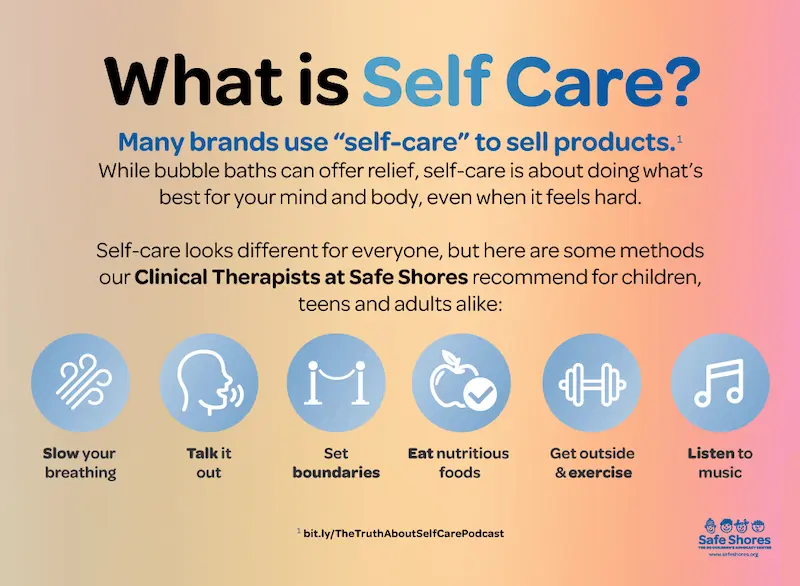
Self-care is the practice of taking care of your physical, emotional, mental, social, and spiritual health. It means paying attention to your needs and making time for activities that improve your overall quality of life.
Self-care looks different for everyone. For one person, it may be exercising every morning. For another, it might mean reading a book, getting enough sleep, or talking to a close friend.
The goal is simple: support your health before stress and burnout take over.
Why Self-Care Is Important
Many people ignore their own needs while focusing on work, family, or other responsibilities. Over time, this can lead to stress, anxiety, fatigue, and even physical illness.
Practicing self-care regularly can:
- Reduce stress levels
- Improve mental health
- Increase energy
- Strengthen your immune system
- Improve relationships
- Boost confidence
- Help you sleep better
- Increase productivity
- Improve emotional balance
- Create a healthier lifestyle
Self-care helps you become the best version of yourself.
Best Self Care Tips for Everyday Life
1. Get Enough Sleep
Quality sleep is one of the most important parts of self-care.
Aim for 7–9 hours of sleep every night by:
- Going to bed at the same time
- Limiting screen time before bed
- Keeping your bedroom cool and quiet
- Avoiding caffeine late in the day
Better sleep improves both your body and your mind.
2. Eat Healthy Foods
Your body needs proper nutrition to function well.
Choose foods like:
- Fresh fruits
- Vegetables
- Whole grains
- Lean proteins
- Healthy fats
- Nuts and seeds
Try to reduce sugary drinks and highly processed foods whenever possible.
3. Drink More Water
Hydration affects nearly every part of your body.
Drinking enough water helps:
- Improve energy
- Keep skin healthy
- Support digestion
- Prevent headaches
- Improve concentration
Carry a reusable water bottle to make drinking water easier throughout the day.
4. Exercise Regularly
You don’t need an intense workout every day.
Simple activities include:
- Walking
- Cycling
- Yoga
- Stretching
- Dancing
- Swimming
Even 30 minutes of movement can improve your mood.
5. Practice Mindfulness
Mindfulness helps you stay focused on the present instead of worrying about the past or future.
Try:
- Deep breathing
- Meditation
- Gratitude journaling
- Quiet reflection
Just five to ten minutes each day can make a difference.
6. Spend Time Outdoors
Fresh air and sunlight naturally improve your mood.
Go for:
- Nature walks
- Park visits
- Gardening
- Hiking
- Outdoor reading
Spending time outside also increases vitamin D exposure.
7. Take Breaks During the Day
Working nonstop reduces productivity.
Take short breaks to:
- Stretch
- Walk around
- Drink water
- Rest your eyes
- Practice deep breathing
Your mind will return feeling refreshed.
8. Limit Screen Time
Too much time on phones and computers can increase stress and reduce sleep quality.
Try to:
- Set screen-free hours
- Avoid social media before bed
- Turn off unnecessary notifications
- Spend more time with family or hobbies
Digital balance is an important part of self-care.
9. Learn to Say No
You don’t have to accept every request.
Setting healthy boundaries helps protect your:
- Energy
- Mental health
- Time
- Personal goals
Remember, saying no to unnecessary commitments means saying yes to your well-being.
10. Stay Connected With Loved Ones
Strong relationships improve emotional health.
Spend time with:
- Family
- Friends
- Support groups
- Trusted coworkers
Even a short conversation can brighten your day.
11. Do Something You Enjoy
Life shouldn’t be only about responsibilities.
Make time for hobbies such as:
- Reading
- Painting
- Photography
- Music
- Cooking
- Gardening
- Writing
Doing activities you love reduces stress naturally.
12. Keep a Gratitude Journal
Writing down three things you’re thankful for every day shifts your focus toward positive experiences.
Gratitude has been linked to:
- Better mental health
- Improved happiness
- Lower stress
- Better relationships
13. Organize Your Space
A clean environment often leads to a calmer mind.
Start by:
- Making your bed
- Decluttering one room
- Organizing your desk
- Cleaning regularly
Small improvements make daily life less stressful.
14. Practice Positive Self-Talk
The way you speak to yourself matters.
Instead of saying:
“I always fail.”
Try:
“I’m learning and improving.”
Positive thinking builds confidence over time.
15. Schedule Regular Health Checkups
Prevention is better than treatment.
Visit healthcare professionals regularly for:
- Physical exams
- Dental checkups
- Eye exams
- Vaccinations
- Health screenings
Early detection helps prevent serious problems.
You may also like to read this:
Health Condition Symptoms: Common Signs You Should Know
Causes of Common Diseases Explained in Simple Words
Signs of Health Problems and What Your Body Is Telling You
Chronic Health Conditions Explained in Simple Easy Language
Health Disorders Explained: Types, Causes and Prevention
Mental Self Care Tips
Mental wellness deserves daily attention.
Some effective mental self care tips include:
- Read inspiring books
- Listen to calming music
- Practice meditation
- Reduce negative news consumption
- Solve puzzles
- Learn a new skill
- Spend quiet time alone
Healthy minds make healthier decisions.
Emotional Self Care Tips
Emotional health means recognizing and managing your feelings.
Helpful habits include:
- Accept your emotions
- Talk with someone you trust
- Write in a journal
- Practice forgiveness
- Celebrate small victories
- Avoid toxic relationships
Healthy emotions lead to greater resilience.
Physical Self Care Tips
Taking care of your body supports every aspect of your health.
Focus on:
- Healthy eating
- Regular exercise
- Good sleep
- Proper hydration
- Personal hygiene
- Stretching
- Routine medical care
Small daily habits create lasting results.
Social Self Care Tips
Humans thrive through meaningful connections.
Try to:
- Meet friends regularly
- Call family members
- Join community groups
- Volunteer
- Attend social events
- Build supportive relationships
Quality relationships contribute to happiness.
Self Care Tips for Busy People
If you have a packed schedule, don’t worry. Self-care doesn’t require hours each day.
You can:
- Wake up 10 minutes earlier
- Drink water first thing in the morning
- Stretch during breaks
- Take short walks
- Listen to podcasts while commuting
- Prepare healthy meals in advance
- Sleep on time
Even five minutes of self-care is better than none.
Common Self-Care Mistakes
Avoid these common mistakes:
- Ignoring your own needs
- Working without breaks
- Skipping sleep
- Eating unhealthy food regularly
- Comparing yourself to others
- Spending too much time online
- Expecting perfection
- Feeling guilty for resting
Remember that rest is productive.
How to Build a Self-Care Routine
Creating a routine makes self-care easier.
Morning
- Drink water
- Stretch
- Eat breakfast
- Set daily goals
Afternoon
- Take breaks
- Eat a balanced lunch
- Walk for a few minutes
Evening
- Limit screens
- Read a book
- Practice gratitude
- Sleep at a consistent time
Start small and build habits gradually.
Benefits of Following Self Care Tips
When practiced consistently, self care tips can help you:
- Feel happier
- Sleep better
- Improve physical health
- Reduce anxiety
- Increase confidence
- Build healthier relationships
- Improve focus
- Boost productivity
- Enjoy greater life satisfaction
Consistency matters more than perfection.
Final Thoughts
These self care tips are simple, practical, and suitable for almost anyone. You don’t have to completely change your life overnight. Start with one or two habits, stay consistent, and gradually build a routine that supports your physical, mental, and emotional well-being.
Remember, taking care of yourself isn’t a luxury—it’s an essential part of living a healthy, balanced, and fulfilling life.
Frequently Asked Questions (FAQs)
What are self care tips?
Self care tips are healthy habits and daily practices that help improve your physical, mental, emotional, and social well-being. They include getting enough sleep, eating nutritious foods, exercising, managing stress, and taking time to relax.
Why is self-care important?
Self-care helps reduce stress, improves mental health, boosts energy, strengthens the immune system, and supports a healthier, happier lifestyle.
How often should I practice self-care?
Self-care should be part of your daily routine. Even spending 10 to 20 minutes each day on activities that support your well-being can make a positive difference over time.
What are simple self care tips for beginners?
Beginners can start by drinking more water, getting enough sleep, taking short walks, practicing gratitude, eating balanced meals, and limiting screen time before bed.
Can self-care improve mental health?
Yes. Regular self-care practices such as mindfulness, meditation, exercise, journaling, and maintaining supportive relationships can help reduce stress and improve overall mental well-being.