
When we talk about chronic health conditions, we are referring to long-term illnesses that develop slowly and stay with a person for a long time—sometimes for life. If you or someone you care about is dealing with chronic health conditions, it can feel confusing or even stressful at first, but once you understand how they work, it becomes much easier to manage daily life with confidence and control.
This guide will explain everything in a simple, friendly way—what these conditions are, why they happen, how they affect the body, and most importantly, how people live well with them.
What Exactly Are Chronic Health Conditions?
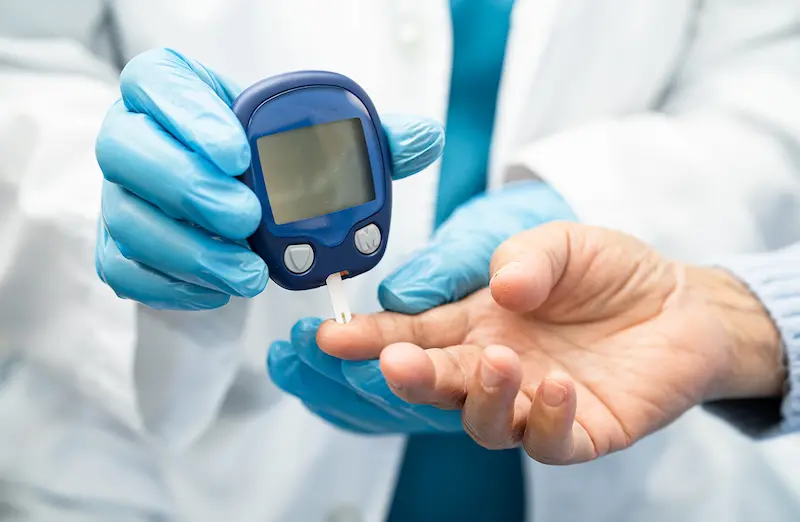
Chronic health conditions are medical problems that:
- Last for a long period (usually 3 months or more)
- Progress slowly over time
- Often cannot be fully cured, but can be controlled
- Require ongoing treatment or lifestyle management
Unlike short-term illnesses like fever or flu, chronic conditions stay in the body and may change in intensity over time. Some days may feel normal, while others may be more difficult.
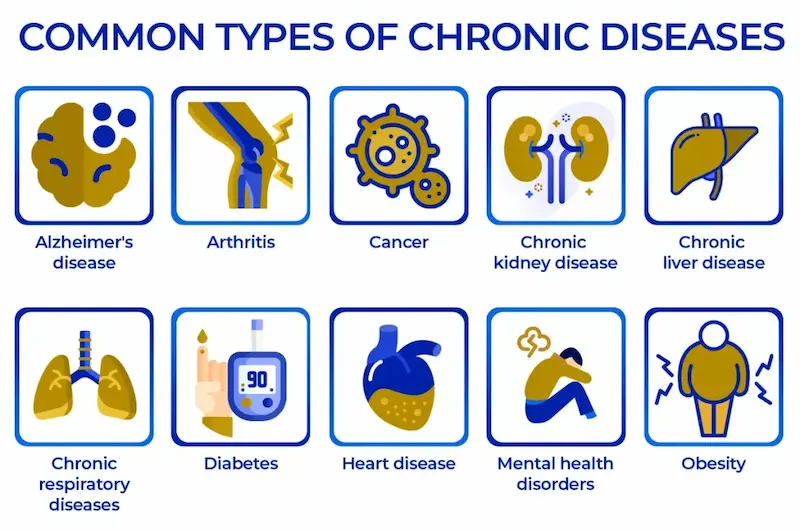
Common examples include:
- Diabetes
- Heart disease
- High blood pressure (hypertension)
- Asthma
- Arthritis
- Chronic kidney disease
- Depression and anxiety disorders
These conditions are very common worldwide, and many people live full lives while managing them properly.
How Do Chronic Health Conditions Develop?
There is no single reason why chronic health conditions develop. Usually, it is a combination of different factors over time.
1. Lifestyle Habits
Daily habits play a big role in long-term health:
- Eating too much processed or sugary food
- Lack of exercise or physical activity
- Poor sleep routine
- Smoking or alcohol use
Over time, these habits can slowly damage body systems.
2. Genetics (Family History)
Sometimes chronic conditions run in families. If your parents or close relatives have diabetes, heart disease, or high blood pressure, your risk may be higher.
3. Age Factor
As people get older, the body naturally becomes more vulnerable to certain conditions like arthritis, heart problems, or diabetes.
4. Long-Term Stress
Constant stress can affect hormones, blood pressure, digestion, and mental health, increasing the risk of chronic illness.
5. Environmental Factors
Pollution, unsafe working conditions, and exposure to harmful substances can also contribute.
Common Types of Chronic Health Conditions
Let’s understand the major categories in more detail.
1. Cardiovascular Conditions (Heart & Blood Vessels)
These affect the heart and circulation system.
Examples:
- High blood pressure
- Heart attack history
- Stroke-related conditions
Effects:
- Chest pain or discomfort
- Fatigue
- Shortness of breath
2. Respiratory Conditions (Breathing System)
These affect the lungs and breathing process.
Examples:
- Asthma
- Chronic obstructive pulmonary disease (COPD)
Effects:
- Wheezing
- Coughing
- Difficulty breathing, especially during activity
3. Metabolic Conditions (Body Energy System)
These affect how the body processes food into energy.
Examples:
- Diabetes (Type 1 and Type 2)
- Thyroid disorders
Effects:
- Weight changes
- Constant fatigue
- Blood sugar fluctuations
4. Musculoskeletal Conditions (Bones and Joints)
These affect movement and physical strength.
Examples:
- Arthritis
- Osteoporosis
Effects:
- Joint pain
- Stiffness
- Reduced mobility
5. Mental Health Conditions
Mental health is just as important as physical health.
Examples:
- Depression
- Anxiety disorders
- Bipolar disorder
Effects:
- Mood changes
- Loss of interest in daily activities
- Difficulty focusing or sleeping
Symptoms of Chronic Health Conditions
Symptoms vary depending on the condition, but there are some common warning signs people should not ignore:
- Ongoing tiredness that doesn’t improve
- Long-lasting pain in any part of the body
- Frequent headaches
- Difficulty breathing or chest discomfort
- Sudden changes in weight
- Low mood or anxiety for a long time
- Trouble sleeping or staying active
If these symptoms continue for weeks or months, it’s important to consult a doctor.
You may also like to read this:
Common Health Conditions Explained In A Simple, Easy Way
Health Condition Symptoms: Common Signs You Should Know
Causes of Common Diseases Explained in Simple Words
Signs of Health Problems and What Your Body Is Telling You
How Chronic Health Conditions Affect Daily Life
Living with chronic health conditions can impact different areas of life:
Physical Impact
- Reduced energy levels
- Limited physical activity
- Pain or discomfort
Emotional Impact
- Stress or frustration
- Anxiety about health
- Feeling overwhelmed at times
Social Impact
- Changes in routine
- Missing work or school sometimes
- Needing support from family or friends
However, with proper care, these challenges can be managed successfully.
Diagnosis: How Doctors Identify Chronic Health Conditions
Doctors use several methods to diagnose chronic illnesses:
- Physical examination
- Blood tests (like sugar or cholesterol levels)
- Imaging tests (X-rays, ultrasound, MRI)
- Medical history review
- Long-term symptom tracking
Early diagnosis is very important because it helps prevent complications.
Treatment and Management of Chronic Health Conditions
There is no single treatment plan for all conditions, but most management plans include a combination of:
1. Medication
Doctors may prescribe:
- Blood pressure medicine
- Insulin or diabetes medication
- Pain relievers or anti-inflammatory drugs
- Antidepressants (for mental health conditions)
2. Healthy Eating
A balanced diet helps control symptoms:
- More fruits and vegetables
- Whole grains
- Less sugar and processed food
- Healthy fats (like nuts and olive oil)
3. Regular Exercise
Even light activity helps:
- Walking
- Stretching
- Yoga
- Swimming
Exercise improves heart health, mood, and energy.
4. Stress Management
Stress control is very important:
- Meditation
- Deep breathing
- Hobbies
- Adequate rest
5. Regular Check-ups
Ongoing monitoring helps prevent complications and keeps treatment effective.
Living a Normal Life with Chronic Health Conditions
Even though the term may sound serious, many people live long and active lives with chronic health conditions.
Helpful daily habits include:
- Following your treatment plan consistently
- Staying informed about your condition
- Building a strong support system
- Setting small, realistic health goals
- Listening to your body and resting when needed
The key is consistency, not perfection.
Can Chronic Health Conditions Be Prevented?
Not all chronic conditions can be prevented, but many risks can be reduced.
You can lower your chances by:
- Eating a balanced diet
- Staying physically active
- Avoiding smoking and alcohol
- Managing stress properly
- Getting regular health check-ups
Small lifestyle changes today can protect your health in the future.
Final Thoughts
Chronic health conditions may last a long time, but they do not define a person’s life. With the right knowledge, care, and lifestyle adjustments, people can manage symptoms effectively and continue living meaningful, active lives.
If you ever notice long-lasting symptoms in yourself or someone else, the best step is always early medical advice. Taking action early makes a big difference in long-term health and quality of life.
FAQs about Chronic Health Conditions
1. What are chronic health conditions?
Chronic health conditions are long-term medical problems that last for months or years and usually require ongoing treatment or lifestyle management. Examples include diabetes, heart disease, asthma, and arthritis.
2. Can chronic health conditions be cured completely?
Most chronic health conditions cannot be fully cured, but they can be controlled very effectively with medication, healthy lifestyle changes, and regular medical care.
3. What are the most common chronic health conditions?
Some of the most common chronic health conditions include:
Diabetes
High blood pressure
Heart disease
Asthma
Arthritis
Depression and anxiety disorders
4. What causes chronic health conditions?
They are usually caused by a combination of factors such as:
Poor lifestyle habits
Genetic or family history
Aging
Long-term stress
Environmental exposure
5. How do I know if I have a chronic health condition?
If you experience symptoms like ongoing fatigue, long-term pain, breathing issues, or mood changes that last for weeks or months, it’s important to see a doctor for proper diagnosis.