
Eating well doesn’t have to be complicated. If you’ve been searching for the best foods for health, you’re already taking an important step toward a healthier lifestyle. The foods you choose every day can affect your energy levels, immune system, heart health, brain function, digestion, and even your mood.
The good news is that you don’t need expensive superfoods or strict diets to stay healthy. By adding more nutrient-rich foods to your meals, you can improve your overall well-being while still enjoying delicious food.
In this guide, you’ll discover the best foods for health, why they’re beneficial, and practical ways to include them in your daily routine.
Why Choosing the Best Foods for Health Matters
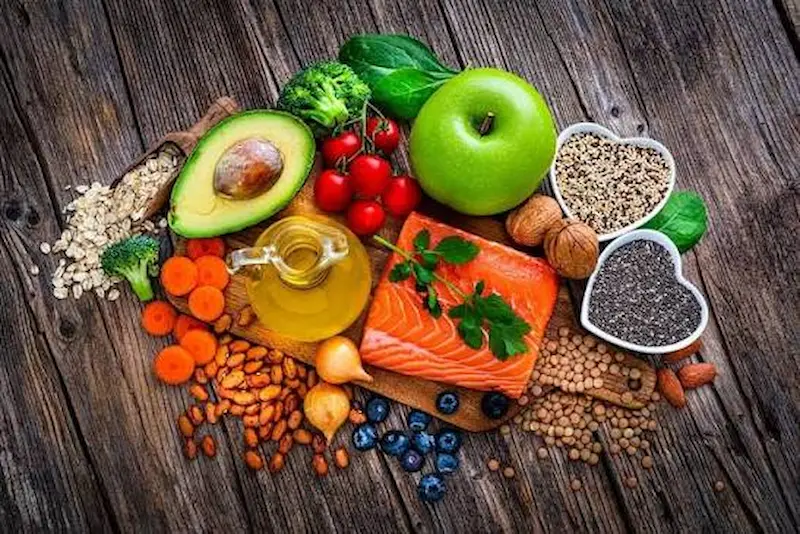
Your body relies on nutrients from food to function properly. Every meal is an opportunity to nourish your body with vitamins, minerals, protein, healthy fats, antioxidants, and fiber.
Eating nutritious foods regularly can help:
- Support your immune system
- Improve heart health
- Strengthen bones and muscles
- Boost energy naturally
- Improve digestion
- Help maintain a healthy weight
- Support healthy skin and hair
- Reduce the risk of chronic diseases
- Improve brain function and memory
- Enhance overall quality of life
Healthy eating isn’t about perfection—it’s about making better choices consistently.
1. Leafy Green Vegetables
Leafy greens are among the best foods for health because they’re packed with nutrients while being naturally low in calories.
Popular choices include:
- Spinach
- Kale
- Swiss chard
- Lettuce
- Arugula
- Collard greens
Health Benefits
- Rich in vitamins A, C, and K
- High in iron and calcium
- Excellent source of antioxidants
- Supports healthy bones
- Promotes heart health
- Helps reduce inflammation
Easy Ways to Eat More Greens
- Add spinach to smoothies.
- Include salads with lunch.
- Mix greens into soups.
- Add kale to pasta dishes.
- Stir spinach into scrambled eggs.
2. Fresh Fruits
Fresh fruits are naturally sweet and loaded with nutrients.
Some of the healthiest fruits include:
- Apples
- Bananas
- Blueberries
- Strawberries
- Oranges
- Grapes
- Kiwi
- Mango
- Papaya
- Pomegranate
Benefits
- High in antioxidants
- Rich in vitamin C
- Supports digestion
- Provides natural energy
- Helps hydrate the body
- Good source of fiber
Aim to eat a variety of colorful fruits throughout the week.
3. Whole Grains
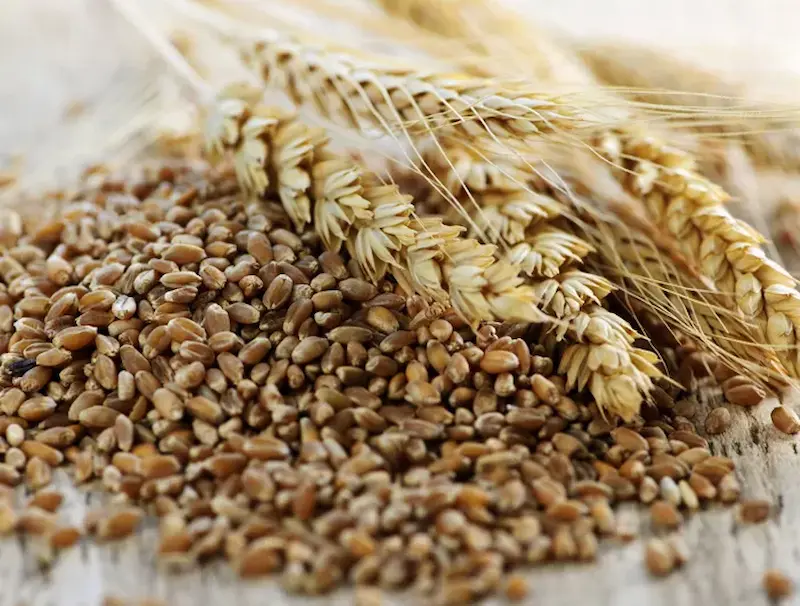
Whole grains contain more nutrients than refined grains because they keep all parts of the grain.
Healthy options include:
- Oats
- Brown rice
- Quinoa
- Whole wheat bread
- Barley
- Millet
- Whole grain pasta
Benefits
- Keeps you full longer
- Supports digestive health
- Helps control blood sugar
- Provides lasting energy
- Rich in fiber and B vitamins
4. Fatty Fish
Fish is one of the best foods for health, especially varieties rich in omega-3 fatty acids.
Examples include:
- Salmon
- Sardines
- Tuna
- Mackerel
- Trout
Health Benefits
- Supports brain health
- Improves heart function
- Reduces inflammation
- Good source of vitamin D
- High-quality protein
Experts recommend eating fish at least twice a week.
5. Eggs
Eggs are one of the most nutritious foods available.
Nutrients Found in Eggs
- Protein
- Vitamin B12
- Choline
- Selenium
- Vitamin D
Benefits
- Helps build muscle
- Keeps you full
- Supports brain health
- Affordable and versatile
6. Nuts and Seeds
Nuts and seeds are small but packed with nutrition.
Healthy options include:
- Almonds
- Walnuts
- Pistachios
- Cashews
- Chia seeds
- Flaxseeds
- Pumpkin seeds
- Sunflower seeds
Benefits
- Healthy fats
- Protein
- Fiber
- Magnesium
- Vitamin E
Enjoy a small handful daily for a healthy snack.
You may also like to read this:
Self Care For Beginners: Build Healthy Habits Every Day
Best Self Care Activities To Boost Your Mind and Body
How To Practice Self Care: Daily Habits To Reduce Stress
15 Self Care Habits That Can Transform Your Daily Life
Healthy Foods List: Nutritious Foods for Better Health
7. Beans and Lentils
Legumes are among the best foods for health because they provide plant-based protein and fiber.
Examples:
- Chickpeas
- Black beans
- Kidney beans
- Lentils
- Green peas
Benefits
- Supports heart health
- Helps control blood sugar
- Improves digestion
- Keeps you satisfied
- Budget-friendly nutrition
8. Greek Yogurt
Greek yogurt is rich in protein and probiotics.
Benefits
- Supports gut health
- Strengthens bones
- High in calcium
- Excellent breakfast option
- Helps maintain muscle
Choose plain yogurt to avoid added sugar.
9. Avocados
Avocados are packed with heart-healthy fats.
Benefits
- Rich in potassium
- Healthy monounsaturated fats
- Supports skin health
- Helps absorb vitamins
- Keeps you full longer
Use avocado in salads, sandwiches, or smoothies.
10. Sweet Potatoes
Sweet potatoes are nutrient-dense and naturally delicious.
Benefits
- High in vitamin A
- Rich in fiber
- Supports eye health
- Good source of potassium
- Long-lasting energy
Bake or roast them instead of frying.
11. Broccoli
Broccoli is one of the healthiest vegetables you can eat.
Benefits
- High in vitamin C
- Rich in fiber
- Contains antioxidants
- Supports immunity
- Helps reduce inflammation
Steam it lightly to preserve nutrients.
12. Berries
Blueberries, raspberries, blackberries, and strawberries are considered superfoods.
Benefits
- Powerful antioxidants
- Supports memory
- Promotes healthy aging
- Good for heart health
- Rich in vitamin C
Enjoy berries with yogurt or oatmeal.
13. Olive Oil
Extra virgin olive oil is an excellent healthy fat.
Benefits
- Supports heart health
- Reduces inflammation
- Rich in antioxidants
- Good for cooking and salads
Use it instead of butter when possible.
14. Garlic
Garlic has been valued for its health benefits for centuries.
Benefits
- Supports immunity
- May help lower blood pressure
- Contains antioxidants
- Adds flavor without extra calories
Fresh garlic provides the greatest nutritional value.
15. Green Tea
Although it’s a beverage, green tea deserves a place among the best foods for health because of its antioxidant content.
Benefits
- Supports metabolism
- Rich in antioxidants
- Promotes heart health
- May improve focus
- Helps with hydration
Drink it without added sugar.
Foods to Limit
Along with eating nutritious foods, it’s also helpful to reduce foods that may negatively affect your health.
Try to limit:
- Sugary drinks
- Candy
- Processed snacks
- Fast food
- Deep-fried foods
- Excess salt
- Processed meats
- Highly refined grains
These foods can still be enjoyed occasionally but shouldn’t make up most of your diet.
Tips for Building a Healthy Plate
Creating healthy meals doesn’t have to be difficult.
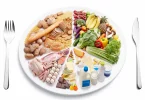
A balanced plate should include:
- Half vegetables and fruits
- One-quarter lean protein
- One-quarter whole grains
- Healthy fats in moderation
- Plenty of water throughout the day
Simple changes made consistently often lead to the biggest improvements.
Sample One-Day Healthy Meal Plan
Breakfast
- Oatmeal with blueberries
- Greek yogurt
- Green tea
Morning Snack
- Apple
- Handful of almonds
Lunch
- Grilled chicken
- Brown rice
- Mixed vegetables
- Olive oil dressing
Afternoon Snack
- Carrot sticks
- Hummus
Dinner
- Baked salmon
- Sweet potato
- Steamed broccoli
Evening Snack
- Plain yogurt with berries
Common Mistakes to Avoid
Many people think healthy eating requires strict dieting, but that’s not true.
Avoid these mistakes:
- Skipping meals
- Eating too much processed food
- Drinking sugary beverages regularly
- Ignoring portion sizes
- Not eating enough vegetables
- Following fad diets
- Drinking too little water
Focus on balance instead of perfection.
Frequently Asked Questions
What are the best foods for health every day?
Some of the best daily choices include leafy greens, fruits, whole grains, eggs, fish, yogurt, nuts, beans, seeds, and vegetables.
Which fruit is the healthiest?
There isn’t one single healthiest fruit. Berries, apples, oranges, kiwi, bananas, and pomegranates are all excellent choices because they provide different nutrients.
How can I start eating healthier?
Start by adding one serving of vegetables to each meal, replacing sugary drinks with water, choosing whole grains, and eating more fresh fruits.
Are eggs healthy?
Yes. Eggs provide high-quality protein, vitamins, and minerals. For most healthy people, they can be part of a balanced diet.
How much water should I drink daily?
Most adults benefit from around 2–3 liters of fluids per day, though needs vary depending on activity level, climate, and overall health.
Final Thoughts
Choosing the best foods for health doesn’t mean giving up your favorite meals or following a restrictive diet. Instead, it’s about filling your plate with nutrient-rich foods like vegetables, fruits, whole grains, lean proteins, healthy fats, and legumes more often.
Small, consistent changes can lead to lasting improvements in your energy, digestion, heart health, and overall well-being. Start with one healthy habit today, and over time, those simple choices can make a big difference in your health.