
When we talk about common health conditions, we’re referring to illnesses or medical issues that many people experience at some point in their lives. These common health conditions can range from mild problems like seasonal allergies to long-term diseases such as diabetes or high blood pressure. The good news is that once you understand them, you can often manage or even prevent many of them with the right lifestyle choices and awareness.
In this guide, let’s walk through the most frequent health issues people face, why they happen, and what you can do about them in a simple, friendly way.
What Are Common Health Conditions?
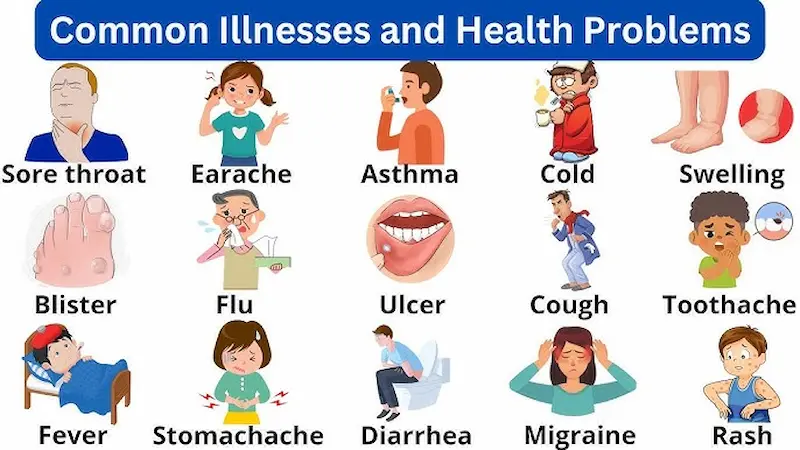
Common health conditions are medical issues that occur frequently in the general population. They are not rare or unusual and often affect people of all ages.
Some are short-term (like colds), while others are long-term (like asthma or diabetes). Understanding them helps you take better care of your body and recognize early warning signs.
1. Diabetes
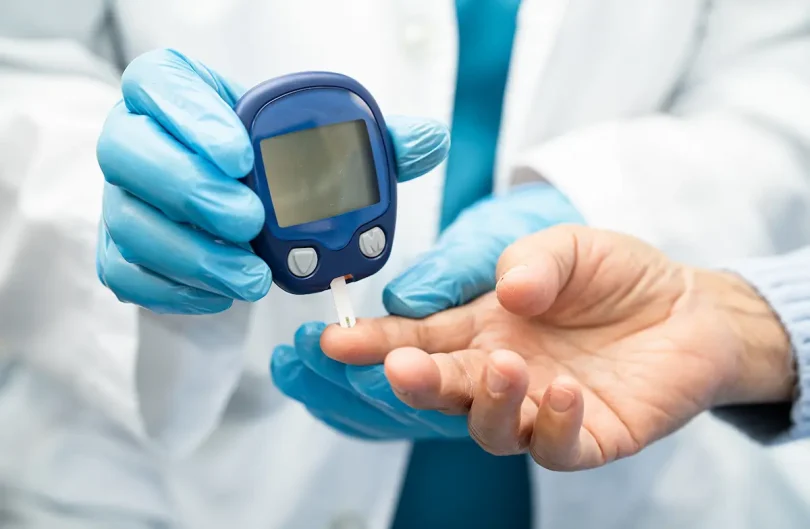
One of the most widespread common health conditions is diabetes, especially Type 2 diabetes.
Type 2 Diabetes happens when your body cannot properly use insulin, leading to high blood sugar levels.
Common symptoms:
- Feeling very thirsty
- Frequent urination
- Fatigue
- Slow healing wounds
Simple tips to manage it:
- Reduce sugary foods and drinks
- Stay active daily
- Maintain a healthy weight
- Regular blood sugar checks
2. High Blood Pressure
Another very common issue is high blood pressure, also called hypertension.
Hypertension is when the force of blood against your artery walls is too high, which can strain your heart.
Why it happens:
- Stress
- High salt diet
- Lack of exercise
- Genetics
How to control it:
- Eat less salt
- Exercise regularly
- Manage stress
- Avoid smoking and alcohol
3. Asthma
Asthma is a long-term breathing condition affecting millions worldwide.
Asthma causes your airways to become narrow and inflamed, making breathing difficult.
Symptoms include:
- Shortness of breath
- Wheezing
- Chest tightness
- Coughing at night or early morning
Helpful management tips:
- Avoid triggers like dust or smoke
- Use prescribed inhalers
- Keep your environment clean
4. Common Cold and Flu
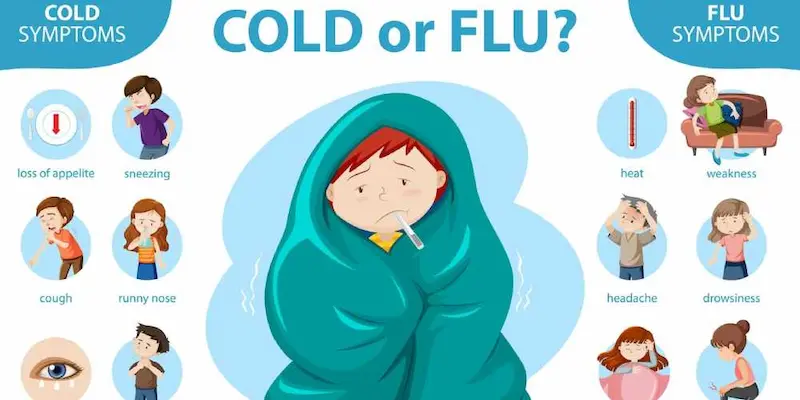
These are probably the most familiar common health conditions for everyone.
Common cold and Influenza are viral infections that affect your respiratory system.
Symptoms:
- Runny nose
- Sneezing
- Fever
- Body aches
What helps:
- Rest and sleep
- Drink warm fluids
- Stay hydrated
- Over-the-counter medication if needed
5. Allergies
Allergies happen when your immune system reacts to harmless substances like dust, pollen, or certain foods.
Allergic rhinitis is one of the most common types, often known as hay fever.
Symptoms:
- Sneezing
- Itchy eyes
- Runny nose
- Skin irritation
Management tips:
- Avoid triggers
- Keep surroundings clean
- Use antihistamines if prescribed
6. Headaches and Migraines
Headaches are extremely common and can affect daily life.
Migraine is a more severe type of headache that may include nausea and sensitivity to light.
Causes:
- Stress
- Lack of sleep
- Dehydration
- Hormonal changes
Relief tips:
- Drink enough water
- Rest in a quiet room
- Limit screen time
- Manage stress levels
You may also like to read this:
Health Condition Symptoms: Common Signs You Should Know
Causes of Common Diseases Explained in Simple Words
Signs of Health Problems and What Your Body Is Telling You
Chronic Health Conditions Explained in Simple Easy Language
7. Digestive Problems
Many people also struggle with stomach-related issues.
Gastroenteritis and acidity-related conditions are very common.
Symptoms:
- Stomach pain
- Nausea
- Diarrhea
- Bloating
Prevention:
- Eat clean and fresh food
- Avoid oily or spicy meals
- Drink safe water
How to Reduce the Risk of Common Health Conditions
You don’t always need complicated solutions. Most common health conditions can be prevented or controlled with simple habits:
- Eat a balanced diet
- Exercise regularly
- Sleep 7–8 hours daily
- Drink plenty of water
- Manage stress
- Go for regular health checkups
Small changes in daily routine can make a big difference in your long-term health.
Final Thoughts
Understanding common health conditions is the first step toward a healthier life. You don’t need to be a medical expert—just being aware of symptoms, causes, and prevention tips already puts you ahead. Take care of your body, listen to it, and don’t ignore small signs. Prevention is always easier than cure.
FAQs
1. What are the most common health conditions?
The most common include diabetes, hypertension, asthma, allergies, colds, flu, migraines, and digestive problems.
2. Can common health conditions be prevented?
Yes, many can be prevented with a healthy diet, regular exercise, good sleep, and stress management.
3. When should I see a doctor?
If symptoms persist, worsen, or interfere with daily life, it’s best to consult a healthcare professional.
4. Are common health conditions serious?
Some are mild, but others can become serious if left untreated, especially chronic diseases like diabetes or hypertension.