
When we talk about causes of common diseases, we are basically trying to understand why people get sick so often in everyday life. It’s not always about luck or bad timing. In most cases, diseases develop because of a mix of lifestyle habits, environment, infections, and sometimes genetics.
If you understand the causes of common diseases properly, you can actually prevent many health problems before they start. So let’s go step by step in a simple and detailed way.
1. Unhealthy Diet and Poor Nutrition

One of the strongest reasons behind many illnesses is what we eat every day. Food is like fuel for your body—if the fuel is low quality, your body slowly starts breaking down.
How diet causes disease:
- Eating too much junk food increases fat and cholesterol
- Excess sugar leads to insulin problems and diabetes
- Too much salt increases blood pressure
- Lack of fruits and vegetables weakens immunity
Diseases linked to poor diet:
- Type 2 diabetes
- Heart disease
- Obesity
- Vitamin deficiencies (like anemia, weak bones)
Simple truth:
Your body can survive unhealthy food for a short time, but not for years.
2. Physical Inactivity (Sedentary Lifestyle)
Today, many people spend most of their time sitting—on phones, computers, or in vehicles. This lack of movement slowly affects almost every system in the body.
What happens when you don’t move enough:
- Fat builds up in the body
- Blood circulation becomes slow
- Muscles become weak
- Metabolism slows down
Common diseases caused:
- Obesity
- Heart disease
- High blood pressure
- Joint and back pain
- Diabetes
Important point:
Even 30 minutes of walking daily can reduce many health risks.
3. Poor Hygiene and Sanitation
One of the simplest but most ignored causes of illness is poor hygiene. Germs are everywhere, and they spread quickly when cleanliness is ignored.
How diseases spread:
- Not washing hands before eating
- Drinking contaminated water
- Eating uncovered food
- Living in unclean environments
Diseases caused by poor hygiene:
- Diarrhea
- Typhoid
- Cholera
- Skin infections
- Flu and viral infections
Key idea:
Clean habits protect you more than medicines sometimes.
4. Infections from Bacteria, Viruses, and Parasites
Many common diseases are not caused by lifestyle but by tiny organisms that enter your body.
Types of infections:
- Viruses: cold, flu, COVID-like illnesses
- Bacteria: throat infection, tuberculosis
- Parasites: malaria, intestinal worms
How they spread:
- Air (coughing, sneezing)
- Water and food
- Direct contact with infected people
- Insects like mosquitoes
Why this matters:
Even healthy people can get infected if exposed.
5. Stress, Anxiety, and Mental Pressure
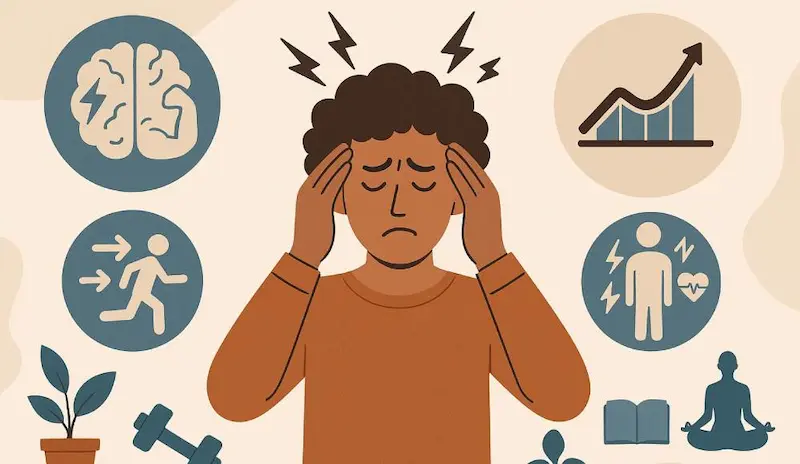
Mental health plays a huge role in physical health. When your mind is constantly stressed, your body reacts negatively.
What stress does to your body:
- Weakens immune system
- Increases heart rate and blood pressure
- Causes hormonal imbalance
- Leads to poor sleep
Diseases linked to stress:
- Heart disease
- Headaches and migraines
- Digestive problems
- Depression and anxiety disorders
Simple explanation:
A stressed mind slowly turns into a stressed body.
6. Genetic and Hereditary Factors
Sometimes, diseases are passed through families. Even if you live a healthy life, your genetics can increase your risk.
Examples:
- Diabetes
- High blood pressure
- Asthma
- Certain cancers
Important understanding:
Genetics is not destiny—it only increases risk, not certainty.
If you are aware of family history, you can take preventive steps early.
You may also like to read this:
Common Health Conditions Explained In A Simple, Easy Way
Health Condition Symptoms: Common Signs You Should Know
Signs of Health Problems and What Your Body Is Telling You
Chronic Health Conditions Explained in Simple Easy Language
7. Environmental Pollution and Living Conditions
The environment around you directly affects your health every day.
Types of environmental risks:
- Air pollution from vehicles and factories
- Contaminated drinking water
- Chemical exposure
- Poor housing conditions
Diseases caused:
- Asthma and lung diseases
- Allergies
- Skin infections
- Long-term organ damage
Reality check:
You can’t control everything in the environment, but you can reduce exposure.
8. Bad Habits and Lifestyle Choices
Some daily habits slowly damage your health over time without you noticing.
Harmful habits include:
- Smoking
- Alcohol consumption
- Irregular sleep patterns
- Overuse of screen time
- Skipping meals or overeating
Diseases linked:
- Liver disease
- Lung cancer and respiratory issues
- Fatigue and weak immunity
- Mental health disorders
Key point:
Small bad habits repeated daily become big health problems later.
9. Weak Immune System
Your immune system is your body’s defense system. When it is weak, diseases enter easily.
Causes of weak immunity:
- Poor diet
- Lack of sleep
- Stress
- Chronic illness
- Vitamin deficiency
Result:
Even small infections become serious or long-lasting.
10. Lack of Awareness and Delayed Treatment
Many people ignore early symptoms of illness. This delay often makes diseases worse.
Example:
- Mild cough ignored → turns into infection
- Small wound ignored → becomes infected
- Early diabetes ignored → becomes severe
Important message:
Early care is always easier and cheaper than late treatment.
Final Conclusion
Understanding the causes of common diseases helps you realize that most health problems are not random—they are connected to daily life choices, environment, and prevention habits.
If you:
- Eat healthy food
- Stay active
- Maintain hygiene
- Manage stress
- Avoid harmful habits
you can reduce your chances of many diseases significantly.
Your health is not built in one day—it is built in your everyday decisions.
FAQs on Causes of Common Diseases
1. What are the main causes of common diseases?
The main causes of common diseases include unhealthy diet, lack of exercise, poor hygiene, infections (bacteria and viruses), stress, genetic factors, environmental pollution, and bad lifestyle habits like smoking or poor sleep.
2. Can poor diet really cause serious diseases?
Yes. A poor diet can lead to serious health problems such as diabetes, heart disease, obesity, high blood pressure, and vitamin deficiencies. Eating too much junk food and not enough nutrients weakens the body over time.
3. How does stress affect physical health?
Stress weakens the immune system and affects hormones in the body. Long-term stress can lead to headaches, digestive issues, high blood pressure, sleep problems, and even heart disease.
4. Are all diseases caused by lifestyle choices?
No. While many diseases are linked to lifestyle, some are caused by infections or genetics. For example, flu is caused by viruses, and some conditions like diabetes or heart disease can run in families.
5. How do infections spread from person to person?
Infections spread through air (coughing or sneezing), contaminated food or water, direct contact with infected people, and insect bites like mosquitoes in the case of malaria.