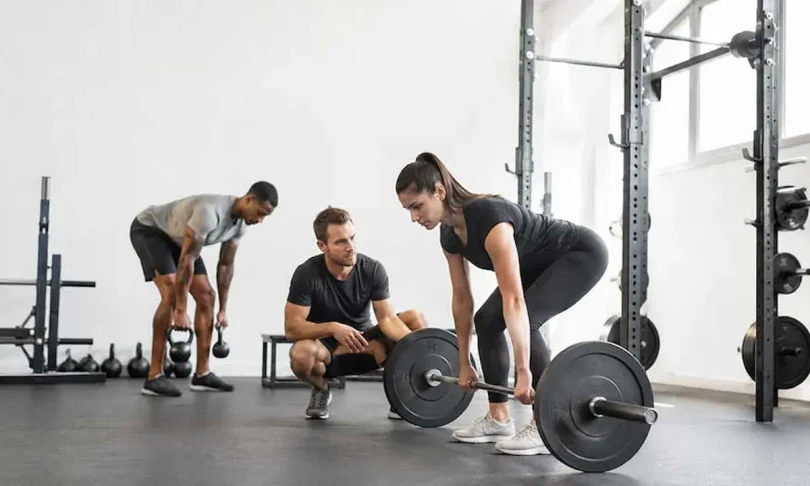

If you’re looking for a Strength training guide that is simple, practical, and easy to follow, you’ve come to the right place. Whether your goal is building muscle, losing weight, improving overall fitness, or becoming stronger for everyday life, strength training is one of the best investments you can make in your health. Don’t worry if you’re a complete beginner—you don’t need to lift heavy weights on day one. This guide will walk you through everything step by step in a friendly and easy-to-understand way.
What Is Strength Training?
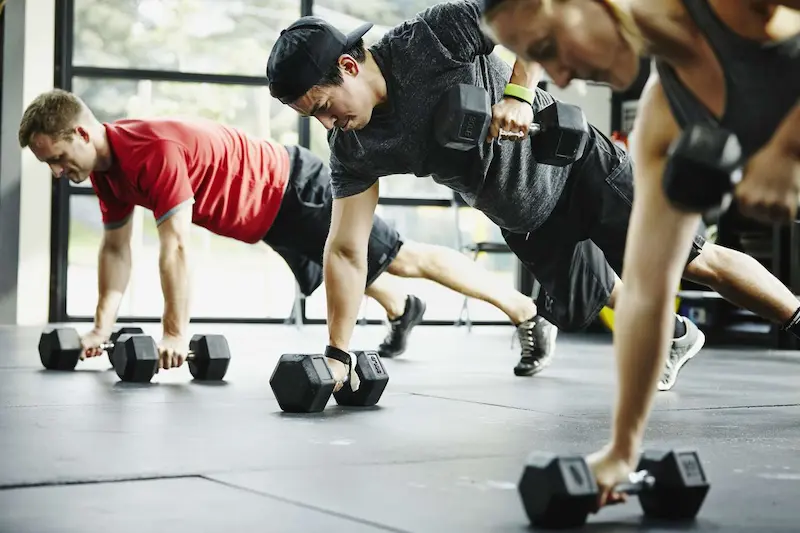
Strength training is a type of exercise that makes your muscles work against resistance. This resistance can come from:
- Dumbbells
- Barbells
- Resistance bands
- Kettlebells
- Weight machines
- Your own body weight
Every time your muscles work against resistance, tiny muscle fibers break down and rebuild stronger during recovery.
The result?
- Increased muscle strength
- Better endurance
- Improved body composition
- Stronger bones
- Faster metabolism
- Better balance and posture
Why Strength Training Matters
Many people think strength training is only for bodybuilders, but that’s far from the truth.
Everyone can benefit from becoming stronger.
Some of the biggest benefits include:
Builds Lean Muscle
Strength training helps increase lean muscle mass, making your body stronger and more toned.
Boosts Metabolism
Muscle burns more calories than fat, even while you’re resting. More muscle means your body naturally burns more calories throughout the day.
Supports Weight Loss
Combining strength training with healthy eating helps preserve muscle while losing body fat.
Improves Bone Health
Resistance exercises strengthen your bones and lower the risk of osteoporosis as you age.
Better Posture
Strong back, shoulder, and core muscles help improve posture and reduce back pain.
Increases Daily Energy
Simple tasks like carrying groceries, climbing stairs, and lifting heavy objects become much easier.
Reduces Injury Risk
Strong muscles protect your joints and improve overall stability.
Improves Mental Health
Exercise releases endorphins, helping reduce stress, anxiety, and depression while improving confidence.
Who Should Do Strength Training?
The answer is simple:
Almost everyone.
Strength training is suitable for:
- Beginners
- Teenagers (with proper supervision)
- Adults
- Seniors
- Men
- Women
- Athletes
- People trying to lose weight
- Individuals improving overall health
Always consult your healthcare provider if you have a medical condition before starting a new workout routine.
Types of Strength Training
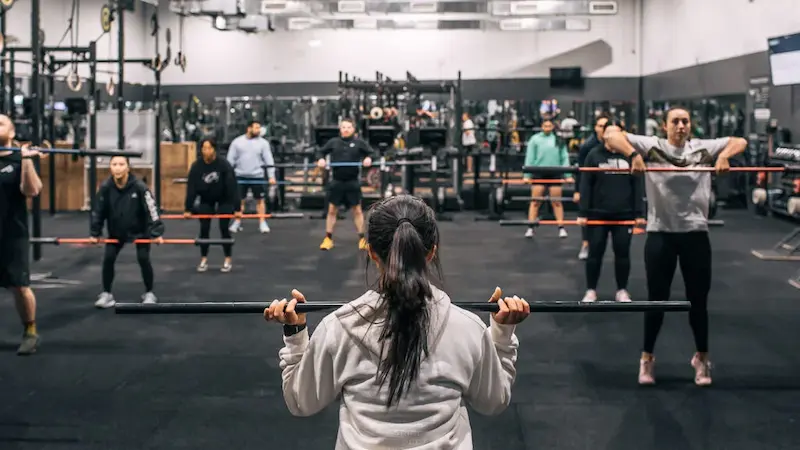
There are several ways to build strength.
Bodyweight Training
Uses your own body weight.
Examples:
- Push-ups
- Squats
- Lunges
- Planks
- Pull-ups
Best for beginners.
Free Weights
Includes:
- Dumbbells
- Barbells
- Kettlebells
These improve coordination and engage multiple muscles.
Resistance Bands
Bands provide continuous tension throughout the movement.
Benefits include:
- Portable
- Affordable
- Joint-friendly
- Great for home workouts
Weight Machines
Machines guide your movement, making them beginner-friendly while isolating specific muscles.
Functional Strength Training
Focuses on exercises that improve daily movement patterns.
Examples include:
- Farmer carries
- Deadlifts
- Step-ups
- Medicine ball exercises
Essential Strength Training Exercises
Here are some of the best compound exercises.
Squats
Targets:
- Quadriceps
- Glutes
- Hamstrings
- Core
Deadlifts
Works:
- Back
- Glutes
- Hamstrings
- Core
- Grip
Bench Press
Strengthens:
- Chest
- Shoulders
- Triceps
Push-Ups
Excellent bodyweight exercise for:
- Chest
- Arms
- Core
Pull-Ups
Great for:
- Back
- Biceps
- Grip strength
Overhead Press
Targets:
- Shoulders
- Triceps
- Upper chest
Rows
Builds:
- Upper back
- Lats
- Rear shoulders
Lunges
Improve:
- Balance
- Leg strength
- Hip stability
Planks
Strengthen:
- Core
- Lower back
- Shoulders
You may also like to read this:
Top Foods For A Balanced Diet For Everyday Nutrition
Healthy Eating Foods: Top Healthy Foods To Eat Every Day
Top Superfoods For Health To Support Your Body Naturally
Exercise Guide For Beginners: Build Healthy Fitness Habits
Home Exercise Guide: Build Strength Without A Gym
Strength Training Guide for Beginners
If you’re new, keep things simple.
Week 1-4 Plan
Day 1
- Squats – 3 sets × 10 reps
- Push-ups – 3 × 8
- Rows – 3 × 10
- Plank – 30 seconds × 3
Day 2
Rest or walking
Day 3
- Lunges – 3 × 10
- Shoulder Press – 3 × 10
- Glute Bridges – 3 × 12
- Side Plank – 30 seconds
Day 4
Rest
Day 5
Repeat Day 1
Weekend:
Light stretching or walking.
How Much Weight Should You Lift?
Start with a weight you can lift comfortably for 8–12 repetitions while maintaining proper form.
The final few reps should feel challenging but still allow good technique.
Increase weight gradually as exercises become easier.
Progressive Overload Explained
To continue getting stronger, you need to challenge your muscles over time.
You can do this by:
- Increasing weight
- Adding repetitions
- Adding sets
- Improving technique
- Reducing rest time
- Slowing movement speed
Small improvements each week lead to long-term progress.
How Often Should You Train?
For most people:
- Beginners: 2–3 days weekly
- Intermediate: 3–4 days
- Advanced: 4–6 days
Allow muscles at least 48 hours of recovery before training the same muscle group again.
Importance of Rest and Recovery
Muscles grow during recovery—not while you’re lifting.
Recovery tips:
- Sleep 7–9 hours
- Drink enough water
- Eat protein
- Stretch regularly
- Take rest days seriously
Nutrition for Strength Training
Exercise alone isn’t enough.
Your nutrition matters just as much.
Eat Enough Protein
Good sources include:
- Chicken
- Fish
- Eggs
- Greek yogurt
- Cottage cheese
- Lentils
- Beans
- Tofu
Aim for protein with every meal.
Healthy Carbohydrates
Carbs provide energy.
Choose:
- Brown rice
- Oats
- Sweet potatoes
- Whole grains
- Fruits
Healthy Fats
Include:
- Avocados
- Nuts
- Seeds
- Olive oil
- Fatty fish
Stay Hydrated
Water supports muscle performance and recovery.
Drink before, during, and after workouts.
Common Strength Training Mistakes
Avoid these common errors:
Skipping Warm-Up
Always warm up for 5–10 minutes.
Poor Form
Quality always beats heavy weight.
Lifting Too Heavy
Focus on learning movement first.
Not Resting Enough
Recovery is part of progress.
Ignoring Nutrition
Muscles need nutrients to recover and grow.
Doing Random Workouts
Follow a structured plan consistently.
Strength Training at Home
You don’t need a gym.
Home equipment:
- Resistance bands
- Adjustable dumbbells
- Yoga mat
- Pull-up bar
- Kettlebell
Bodyweight exercises alone can also build impressive strength.
Gym vs Home Strength Training
| Gym | Home |
| More equipment | Convenient |
| Heavy weights | Saves time |
| Professional guidance | Lower cost |
| Variety of machines | Comfortable environment |
Choose whichever helps you stay consistent.
Safety Tips
Stay safe by following these guidelines:
- Warm up before workouts.
- Use proper technique.
- Increase weights gradually.
- Control each movement.
- Breathe properly.
- Wear supportive shoes.
- Stop if you feel sharp pain.
- Cool down after training.
Tracking Your Progress
Keep a workout journal.
Record:
- Exercises
- Sets
- Repetitions
- Weight lifted
- Workout duration
- Energy levels
Tracking progress helps you stay motivated and identify improvements over time.
Frequently Asked Questions
Is strength training good for weight loss?
Yes. It helps preserve muscle while increasing calorie burn, making fat loss more effective.
Can beginners start strength training?
Absolutely. Beginners should start with lighter weights or bodyweight exercises and focus on learning proper form.
How long before I see results?
Many people notice improved strength within 3–4 weeks. Visible muscle changes usually appear after 8–12 weeks with consistent training and proper nutrition.
Should I do cardio and strength training together?
Yes. A combination of both improves heart health, supports fat loss, and enhances overall fitness.
Is strength training safe for women?
Yes. Strength training is highly beneficial for women. It improves bone health, builds lean muscle, boosts metabolism, and does not automatically make you bulky.
Can I build muscle without going to the gym?
Yes. Bodyweight exercises, resistance bands, and dumbbells at home can effectively build strength and muscle when used consistently.
Final Thoughts
Following a Strength training guide doesn’t have to be complicated. The key is to start with the basics, focus on proper form, and stay consistent. Every workout brings you one step closer to becoming stronger, healthier, and more confident. Remember that progress takes time, so be patient with yourself, fuel your body with nutritious foods, prioritize recovery, and gradually increase the challenge. Whether you choose to train at home or in a gym, strength training can improve your quality of life and help you reach your fitness goals for years to come.