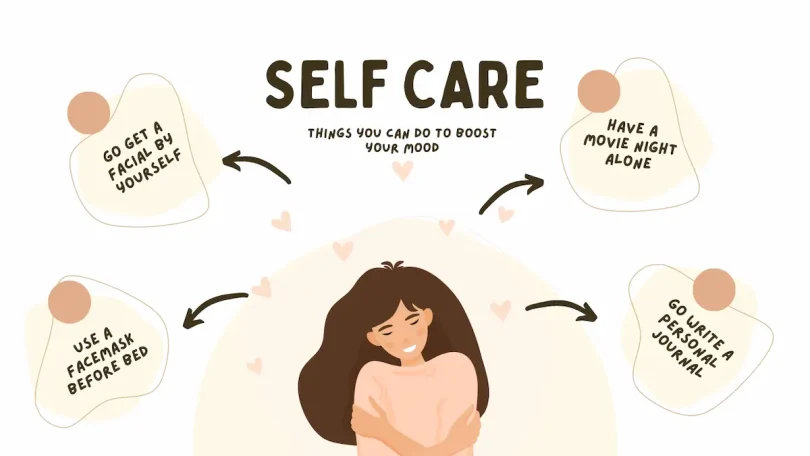

Have you ever wondered how to practice self care without making it complicated or expensive? You’re not alone. Many people think self-care means booking luxury spa days or taking expensive vacations, but the truth is much simpler. Learning how to practice self care is about making small, meaningful choices that improve your physical, mental, and emotional well-being every single day.
In this guide, you’ll discover practical self-care habits, simple routines, and realistic tips that fit into any lifestyle. Whether you’re a student, a busy parent, or someone juggling work and personal responsibilities, you can build a self-care routine that truly works for you.
What Is Self Care?
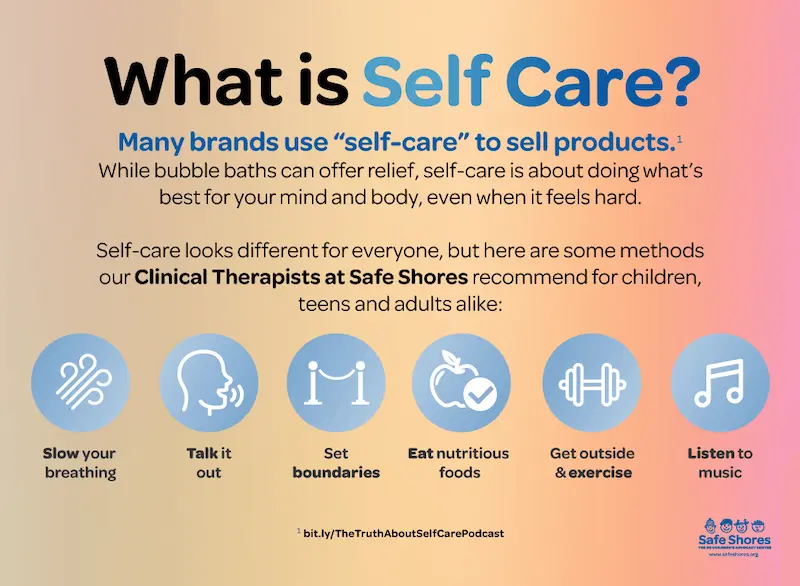
Self-care is the practice of taking intentional actions to improve your overall health and happiness. It means paying attention to your body’s needs, protecting your mental health, and creating habits that help you live a balanced life.
Self-care isn’t selfish. In fact, when you take care of yourself, you have more energy, patience, and motivation to care for the people and responsibilities that matter most.
Why Is Self Care Important?
Practicing self-care regularly offers many benefits, including:
- Reduces stress and anxiety
- Improves physical health
- Increases energy levels
- Supports better sleep
- Boosts confidence
- Improves focus and productivity
- Strengthens relationships
- Prevents burnout
- Encourages emotional balance
- Promotes long-term wellness
Small daily habits often have a much bigger impact than occasional grand gestures.
How to Practice Self Care Every Day

If you’re wondering how to practice self care, start with small habits instead of trying to change everything at once.
1. Prioritize Quality Sleep
Sleep is one of the most important forms of self-care.
Try to:
- Sleep 7–9 hours each night
- Go to bed at the same time daily
- Avoid screens before bedtime
- Keep your bedroom cool and quiet
- Create a relaxing nighttime routine
Better sleep improves mood, memory, and overall health.
2. Eat Nutritious Foods
Food fuels both your body and your mind.
Focus on:
- Fresh fruits
- Vegetables
- Whole grains
- Lean proteins
- Healthy fats
- Plenty of water
Remember, healthy eating doesn’t mean being perfect. Enjoy your favorite treats in moderation.
3. Stay Physically Active
Exercise doesn’t have to mean intense workouts.
Simple activities include:
- Walking
- Stretching
- Dancing
- Yoga
- Cycling
- Swimming
Even 20–30 minutes of movement each day can improve your mood and energy.
4. Drink Enough Water
Hydration affects nearly every part of your body.
Benefits include:
- Better concentration
- Healthy skin
- Increased energy
- Improved digestion
- Fewer headaches
Carry a reusable water bottle to make drinking water easier throughout the day.
5. Practice Mindfulness
Mindfulness helps you stay present instead of worrying about the past or future.
Try:
- Deep breathing
- Meditation
- Body scans
- Mindful walking
- Quiet reflection
Even five minutes can make a difference.
6. Set Healthy Boundaries
Learning to say “no” protects your time and energy.
Healthy boundaries help you:
- Reduce stress
- Avoid burnout
- Improve relationships
- Respect your own needs
Remember, saying no to one thing often means saying yes to your well-being.
7. Spend Time Outdoors
Nature can improve both mental and physical health.
Ideas include:
- Walking in a park
- Gardening
- Hiking
- Sitting in the sunshine
- Watching the sunset
Fresh air and natural light can help reduce stress and improve your mood.
8. Take Breaks During the Day
Working without breaks can leave you mentally exhausted.
Every hour, take a few minutes to:
- Stretch
- Walk around
- Drink water
- Rest your eyes
- Practice deep breathing
Short breaks improve productivity and focus.
9. Connect with People You Care About
Healthy relationships are an important part of self-care.
Spend time with:
- Family
- Friends
- Supportive coworkers
- Community groups
Meaningful conversations help reduce loneliness and improve emotional well-being.
10. Practice Gratitude
Gratitude helps shift your attention toward positive experiences.
Each day, write down:
- Three things you’re grateful for
- One accomplishment
- One happy moment
Over time, gratitude can improve your outlook on life.
11. Do Something You Enjoy
Life shouldn’t be all work.
Spend time doing activities that make you happy:
- Reading
- Painting
- Cooking
- Playing music
- Watching your favorite movie
- Crafting
- Photography
Enjoyable hobbies help you relax and recharge.
12. Reduce Screen Time
Too much screen time can increase stress and reduce sleep quality.
Consider:
- Phone-free meals
- Screen-free mornings
- Social media breaks
- Digital detox weekends
You’ll likely notice improved focus and more free time.
You may also like to read this:
Health Disorders Explained: Types, Causes and Prevention
Self Care Tips For A Healthier and Happier Life Every Day
Daily Self Care Routine: Simple Habits For A Healthier Life
Self Care For Beginners: Build Healthy Habits Every Day
Best Self Care Activities To Boost Your Mind and Body
13. Organize Your Space
A clean environment often leads to a calmer mind.
Start small by:
- Making your bed
- Organizing your desk
- Decluttering one drawer
- Cleaning your workspace
Small improvements create a more peaceful environment.
14. Practice Positive Self-Talk
Pay attention to how you speak to yourself.
Replace thoughts like:
“I can’t do this.”
With:
“I’m learning.”
Instead of:
“I’m not good enough.”
Try:
“I’m doing my best.”
Being kind to yourself is one of the most valuable forms of self-care.
15. Learn to Rest Without Feeling Guilty
Rest is productive because it helps your body and mind recover.
Rest can include:
- Taking naps
- Reading quietly
- Listening to music
- Sitting in silence
- Relaxing with a cup of tea
You don’t have to earn rest—you deserve it.
Different Types of Self Care
Understanding the different areas of self-care can help you create a balanced routine.
Physical Self Care
Examples include:
- Healthy eating
- Exercise
- Sleeping well
- Drinking water
- Regular medical checkups
Mental Self Care
Support your mind by:
- Reading books
- Solving puzzles
- Learning new skills
- Limiting negative news
- Practicing mindfulness
Emotional Self Care
Take care of your emotions by:
- Journaling
- Talking to trusted friends
- Expressing feelings
- Seeking support when needed
- Practicing self-compassion
Social Self Care
Healthy relationships matter.
You can:
- Meet friends
- Call family
- Join community groups
- Volunteer
- Spend quality time with loved ones
Spiritual Self Care
Spiritual well-being looks different for everyone.
It may include:
- Prayer
- Meditation
- Spending time in nature
- Reflection
- Practicing gratitude
Simple Daily Self Care Routine
Here’s an easy routine you can follow.
Morning
- Drink a glass of water
- Stretch for five minutes
- Eat a healthy breakfast
- Set one positive intention
Afternoon
- Take a short walk
- Eat a balanced lunch
- Take a screen break
- Stay hydrated
Evening
- Spend time with family
- Read a book
- Write in a gratitude journal
- Go to bed on time
Signs You Need More Self Care
You may need more self-care if you experience:
- Constant fatigue
- Feeling overwhelmed
- Frequent stress
- Poor sleep
- Lack of motivation
- Irritability
- Difficulty concentrating
- Emotional exhaustion
Recognizing these signs early allows you to make healthy changes before burnout develops.
Common Mistakes to Avoid
Many people unintentionally make self-care harder than it needs to be.
Avoid these mistakes:
- Waiting until you’re exhausted
- Comparing yourself to others
- Trying to be perfect
- Ignoring your emotions
- Skipping meals
- Sleeping too little
- Believing self-care is selfish
- Taking on too many responsibilities
Tips to Make Self Care a Habit
To stay consistent:
- Start with one habit
- Set realistic goals
- Schedule self-care in your calendar
- Track your progress
- Celebrate small wins
- Be patient with yourself
- Adjust your routine when life changes
Consistency is more important than perfection.
Benefits of Practicing Self Care Long-Term
When you consistently learn how to practice self care, you may experience:
- Better physical health
- Improved emotional resilience
- Reduced stress
- Increased confidence
- Better relationships
- Higher productivity
- More happiness
- Greater life satisfaction
Over time, these small habits can create lasting positive changes.
Final Thoughts
Learning how to practice self care doesn’t require expensive products or a perfect routine. It begins with small, intentional choices that support your physical, emotional, and mental well-being. Whether it’s getting enough sleep, drinking more water, taking a walk, setting healthy boundaries, or simply taking a few quiet minutes for yourself, every step matters.
The most important thing to remember is that self-care is personal. Find habits that fit your lifestyle, stay consistent, and be kind to yourself along the way. As you continue practicing these habits, you’ll discover that how to practice self care becomes less about checking off tasks and more about creating a healthier, happier, and more balanced life.
Frequently Asked Questions (FAQs)
1. What is the best way to practice self care?
The best way to practice self care is to start with simple daily habits like getting enough sleep, eating nutritious foods, staying active, drinking plenty of water, managing stress, and making time for activities you enjoy. Consistency is more important than perfection.
2. Why is self care important?
Self-care is important because it helps improve your physical health, mental well-being, emotional balance, and overall quality of life. Regular self-care can reduce stress, prevent burnout, boost energy, and improve your mood.
3. How can beginners start practicing self care?
Beginners can start by making small, manageable changes, such as drinking more water, taking a daily walk, getting enough sleep, practicing gratitude, and setting aside a few minutes each day to relax. Building one habit at a time makes self-care easier to maintain.
4. What are the different types of self care?
The main types of self-care include physical, mental, emotional, social, and spiritual self-care. Each type focuses on improving a different aspect of your overall health and well-being.
5. How often should I practice self care?
Self-care should be practiced every day. Even small daily habits, such as stretching, deep breathing, reading, or taking short breaks, can have a positive impact on your health over time.