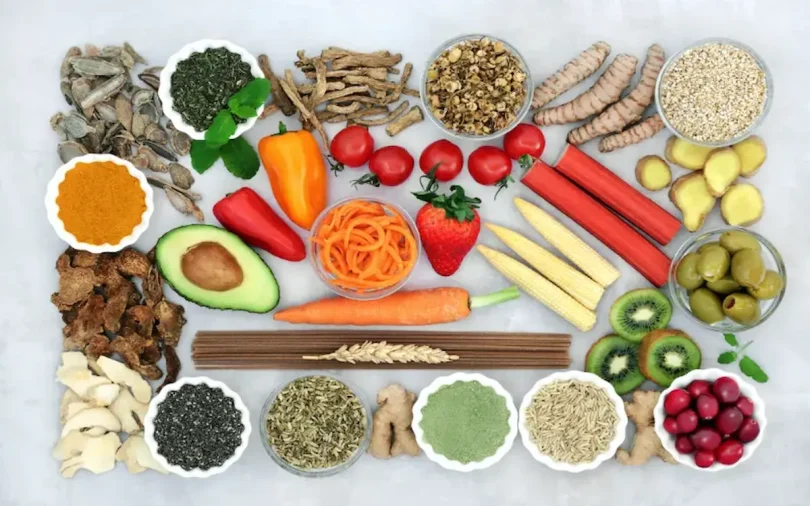

Have you ever wondered why some foods are called superfoods for health? The answer is simple. These foods are packed with vitamins, minerals, antioxidants, healthy fats, fiber, and other nutrients that help your body perform at its best. While no single food can magically prevent disease or make you instantly healthy, adding superfoods to your daily meals can improve your overall well-being.
If you’re looking for an easy way to eat healthier, boost your energy, strengthen your immune system, and support long-term wellness, this guide will help you understand everything you need to know about superfoods for health.
What Are Superfoods?
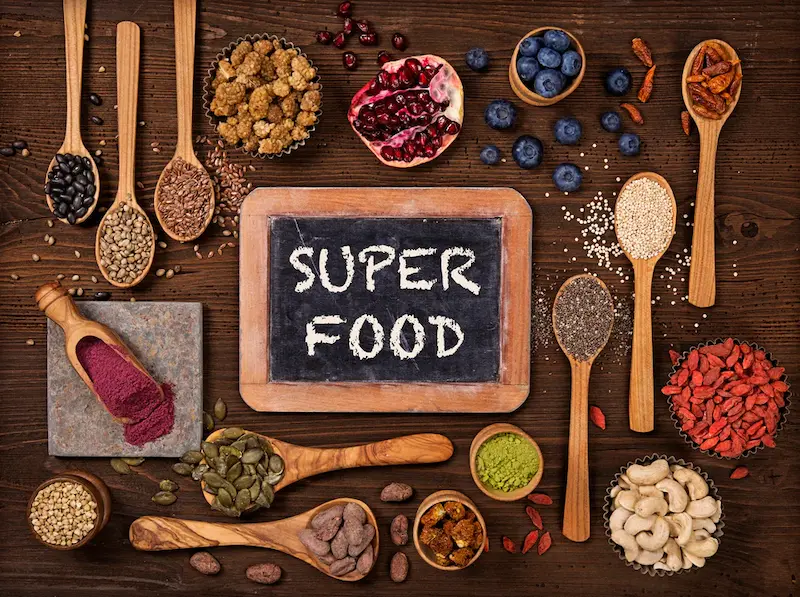
Superfoods are nutrient-rich foods that provide exceptional health benefits. They contain high levels of vitamins, minerals, antioxidants, and plant compounds that support your body’s natural functions.
Although “superfood” isn’t an official medical term, it is commonly used to describe foods that offer more nutritional value than many others.
These foods can help:
- Improve heart health
- Support brain function
- Strengthen immunity
- Reduce inflammation
- Improve digestion
- Maintain healthy weight
- Support healthy aging
- Increase daily energy
The best part is that many superfoods are affordable and easy to include in everyday meals.
Why Are Superfoods Important?
Your body needs nutrients every day to function properly. Eating processed foods may fill your stomach, but they often lack essential nutrients.
Superfoods help provide:
- Essential vitamins
- Important minerals
- Healthy fats
- Protein
- Dietary fiber
- Powerful antioxidants
Regularly eating nutrient-rich foods may lower the risk of many chronic diseases while improving your quality of life.
Top Superfoods for Health
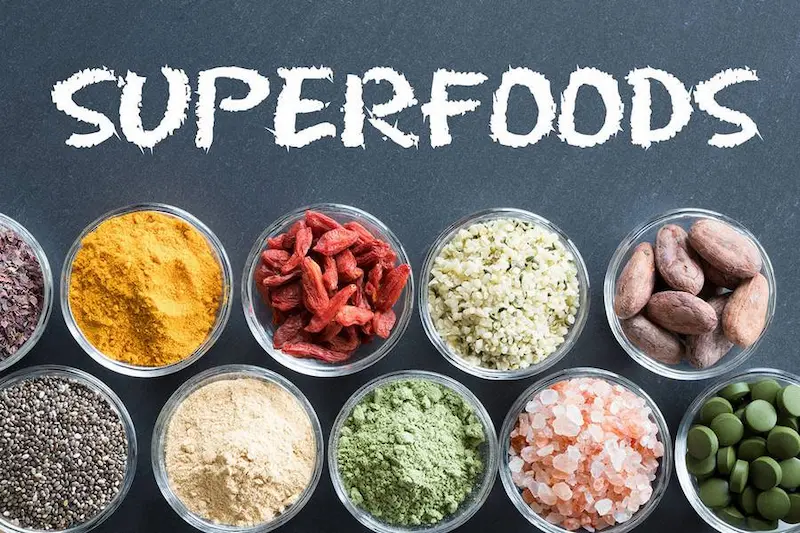
Let’s explore some of the healthiest foods you can start eating today.
1. Blueberries
Blueberries are one of the most popular superfoods.
Benefits
- Rich in antioxidants
- Supports brain health
- Helps improve memory
- Promotes heart health
- May reduce inflammation
- Supports healthy aging
You can enjoy them fresh, frozen, or blended into smoothies.
2. Spinach
Spinach is packed with nutrients despite being very low in calories.
It contains:
- Iron
- Vitamin A
- Vitamin C
- Vitamin K
- Magnesium
- Folate
Health Benefits
- Supports healthy bones
- Boosts immunity
- Helps maintain healthy eyesight
- Supports healthy blood circulation
3. Salmon
Salmon is one of the best sources of Omega-3 fatty acids.
Benefits
- Supports heart health
- Improves brain function
- Reduces inflammation
- Supports healthy skin
- Helps maintain healthy joints
Aim to eat fatty fish at least twice a week if possible.
4. Avocados
Avocados are rich in healthy monounsaturated fats.
They also provide:
- Fiber
- Potassium
- Vitamin E
- Folate
Benefits
- Supports heart health
- Keeps you full longer
- Helps maintain healthy cholesterol levels
- Supports healthy skin
5. Greek Yogurt
Greek yogurt is rich in:
- Protein
- Calcium
- Probiotics
Benefits
- Improves digestion
- Supports gut health
- Strengthens bones
- Helps build muscle
- Keeps you satisfied between meals
Choose plain varieties with little or no added sugar.
6. Chia Seeds
These tiny seeds are nutritional powerhouses.
They contain:
- Fiber
- Protein
- Omega-3 fats
- Calcium
- Magnesium
Benefits
- Supports digestion
- Helps control appetite
- Promotes heart health
- Supports healthy bones
Add them to smoothies, oatmeal, or yogurt.
7. Nuts
Almonds, walnuts, pistachios, and cashews are excellent choices.
Benefits
- Healthy fats
- Protein
- Fiber
- Vitamin E
- Magnesium
Eating a handful daily may improve heart health and keep hunger under control.
You may also like to read this:
Healthy Foods List: Nutritious Foods for Better Health
Best Foods For Health | Healthy Eating Guide For Everyone
Nutrient Rich Foods: Complete Guide To Healthy Eating
Top Foods For A Balanced Diet For Everyday Nutrition
Healthy Eating Foods: Top Healthy Foods To Eat Every Day
8. Broccoli
Broccoli is one of the healthiest vegetables available.
It provides:
- Vitamin C
- Vitamin K
- Fiber
- Potassium
- Antioxidants
Benefits
- Supports immunity
- Improves digestion
- Promotes healthy bones
- Supports heart health
9. Sweet Potatoes
Sweet potatoes are rich in:
- Beta-carotene
- Vitamin A
- Fiber
- Potassium
Benefits
- Supports eye health
- Helps regulate blood sugar
- Improves digestion
- Boosts immunity
10. Green Tea
Green tea contains natural antioxidants called catechins.
Benefits
- Supports metabolism
- Promotes heart health
- Helps reduce inflammation
- Supports brain function
Replacing sugary drinks with green tea is a healthy choice.
11. Oats
Oats are among the healthiest whole grains.
Benefits
- High in fiber
- Supports digestion
- Helps lower cholesterol
- Keeps you full longer
- Supports stable blood sugar
Start your day with oatmeal for lasting energy.
12. Garlic
Garlic has been used for centuries as both food and medicine.
Benefits
- Supports immunity
- Promotes heart health
- May help reduce blood pressure
- Contains natural antioxidants
Fresh garlic offers the greatest health benefits.
13. Turmeric
Turmeric contains curcumin, a powerful natural compound.
Benefits
- Helps fight inflammation
- Supports joint health
- Promotes brain health
- Supports immune function
Adding black pepper improves curcumin absorption.
14. Eggs
Eggs are one of the most complete sources of protein.
They provide:
- Protein
- Vitamin D
- Choline
- Healthy fats
Benefits
- Supports muscle growth
- Promotes brain health
- Helps maintain healthy eyesight
- Keeps you full longer
15. Beans and Lentils
Beans and lentils are excellent plant-based protein sources.
Benefits
- Rich in fiber
- Supports heart health
- Helps control blood sugar
- Promotes healthy digestion
- Budget-friendly and nutritious
Nutrients Found in Superfoods
Many superfoods for health contain:
| Nutrient | Benefits |
| Fiber | Improves digestion and fullness |
| Protein | Builds muscles and repairs tissues |
| Vitamin C | Supports immunity |
| Vitamin A | Promotes healthy vision |
| Vitamin K | Supports bone health |
| Calcium | Strengthens bones and teeth |
| Iron | Supports healthy blood cells |
| Magnesium | Helps muscles and nerves function |
| Omega-3 Fatty Acids | Supports heart and brain health |
| Antioxidants | Protect cells from damage |
How to Add Superfoods to Your Daily Diet
Eating healthy doesn’t have to be complicated.
Try these simple ideas:
Breakfast
- Oatmeal with blueberries
- Greek yogurt with chia seeds
- Smoothie with spinach and berries
Lunch
- Grilled chicken salad with avocado
- Lentil soup
- Brown rice with broccoli
Dinner
- Baked salmon
- Roasted sweet potatoes
- Mixed vegetables
Healthy Snacks
- Mixed nuts
- Fruit
- Yogurt
- Carrot sticks
- Apple slices with peanut butter
Benefits of Eating Superfoods Regularly
Making superfoods for health a regular part of your diet can provide many long-term benefits.
Better Heart Health
Many superfoods contain healthy fats and antioxidants that support cardiovascular health.
Stronger Immune System
Vitamin-rich foods help your body fight infections.
Improved Digestion
Fiber supports healthy gut bacteria and regular digestion.
Healthy Weight Management
High-fiber foods keep you feeling full longer.
More Energy
Whole, nutrient-rich foods provide steady energy throughout the day.
Better Brain Function
Omega-3 fats and antioxidants support memory and concentration.
Healthy Skin
Vitamins A, C, and E help maintain glowing skin.
Reduced Inflammation
Many superfoods naturally help lower inflammation in the body.
Tips for Getting the Most from Superfoods
- Eat a variety of colorful fruits and vegetables.
- Choose whole foods over processed foods.
- Drink enough water every day.
- Include healthy fats with vegetables to improve nutrient absorption.
- Eat balanced meals with protein, fiber, and healthy carbohydrates.
- Limit added sugars and highly processed snacks.
- Practice portion control.
- Stay physically active alongside healthy eating.
Common Myths About Superfoods
Myth 1: One Superfood Can Cure Diseases
False. No single food can cure illnesses. A balanced diet is what matters most.
Myth 2: Superfoods Are Always Expensive
Not true. Oats, beans, spinach, eggs, and sweet potatoes are affordable superfoods.
Myth 3: You Need Exotic Foods
Many local fruits and vegetables offer incredible nutrition without high prices.
Myth 4: More Is Better
Eating excessive amounts of any food isn’t healthy. Balance is key.
Who Should Eat Superfoods?
Almost everyone can benefit from nutrient-rich foods, including:
- Children
- Teenagers
- Adults
- Older adults
- Athletes
- Busy professionals
- Vegetarians
- Families looking to eat healthier
People with allergies or certain medical conditions should choose foods that fit their dietary needs and consult a healthcare professional if necessary.
Sample One-Day Superfood Meal Plan
| Meal | Foods |
| Breakfast | Oatmeal with blueberries and chia seeds |
| Snack | Mixed nuts |
| Lunch | Grilled salmon, broccoli, and brown rice |
| Snack | Greek yogurt with berries |
| Dinner | Lentil soup with spinach and whole-grain bread |
| Evening Drink | Green tea |
Final Thoughts
Adding superfoods for health to your daily routine is one of the easiest ways to improve your nutrition and support long-term wellness. Foods like berries, leafy greens, salmon, nuts, seeds, whole grains, beans, and yogurt provide essential nutrients that help your body stay strong and energized. Remember, the healthiest diet isn’t about one magical ingredient—it’s about consistently enjoying a wide variety of wholesome foods.
By making small, sustainable changes and including more superfoods in your meals, you can build healthier habits that benefit you for years to come.
Frequently Asked Questions (FAQs)
1. What are superfoods for health?
Superfoods for health are nutrient-rich foods that contain high levels of vitamins, minerals, antioxidants, healthy fats, and fiber. They help support overall wellness, improve immunity, promote heart health, and provide essential nutrients for the body.
2. Which foods are considered the best superfoods for health?
Some of the best superfoods for health include:
Blueberries
Spinach
Salmon
Avocados
Greek yogurt
Chia seeds
Broccoli
Oats
Nuts
Sweet potatoes
Garlic
Turmeric
Green tea
Eggs
Beans and lentils
3. Can I eat superfoods every day?
Yes. Most superfoods can be safely enjoyed every day as part of a balanced diet. Eating a variety of nutrient-rich foods ensures you receive a wide range of vitamins and minerals.
4. Are superfoods good for weight loss?
Many superfoods can support healthy weight management because they are rich in fiber and protein, which help you feel full for longer. However, they work best when combined with regular exercise and a balanced diet.
5. Do superfoods help boost the immune system?
Yes. Many superfoods contain vitamins A, C, E, zinc, and antioxidants that support a healthy immune system and help protect the body from illness.