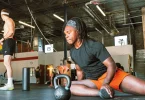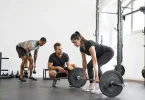

Starting a fitness journey can feel overwhelming, but this Exercise guide for beginners is here to make things simple. Whether you want to lose weight, build strength, improve your health, or simply feel more energetic, you don’t need to be an athlete to get started. The most important thing is taking the first step and building healthy habits that fit your lifestyle.
In this guide, we’ll walk through everything you need to know about beginner-friendly exercise, from choosing the right workouts to staying motivated. Think of this as a friendly conversation with someone who’s helping you begin your fitness journey with confidence.
Why Exercise Is Important
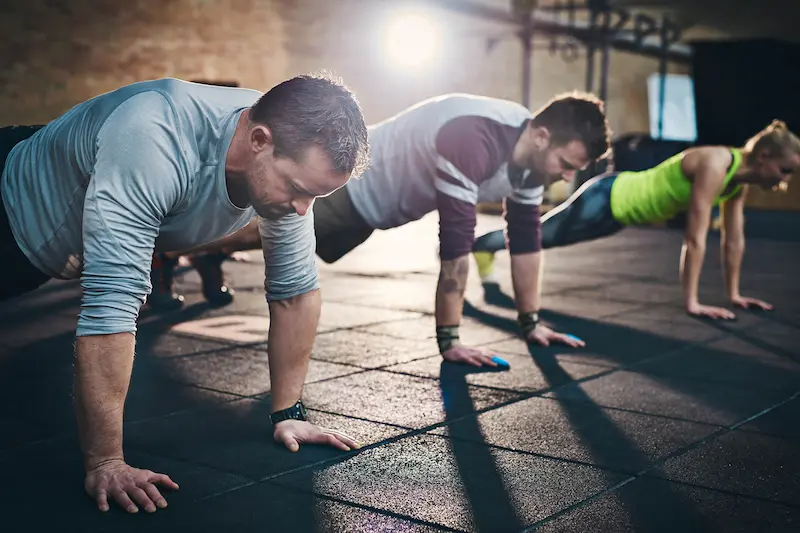
Exercise isn’t just about looking fit. Regular physical activity benefits nearly every part of your body and mind.
Some of the biggest benefits include:
- Improves heart health
- Helps maintain a healthy weight
- Builds stronger muscles and bones
- Increases energy levels
- Improves flexibility and balance
- Reduces stress and anxiety
- Enhances sleep quality
- Boosts confidence and mood
- Lowers the risk of chronic diseases
- Supports healthy aging
The best part? You don’t have to spend hours in the gym. Even 20–30 minutes of movement each day can make a big difference.
Exercise Guide for Beginners: Know Your Fitness Goals
Before starting, ask yourself:
- Do I want to lose weight?
- Am I trying to gain muscle?
- Do I want more energy?
- Am I exercising for better health?
- Do I simply want to stay active?
Your goal helps determine the best exercise routine.
For example:
- Weight loss → Cardio + strength training
- Muscle building → Resistance training
- Better flexibility → Stretching and yoga
- Overall health → Mix of cardio, strength, and mobility
Types of Exercise Every Beginner Should Know
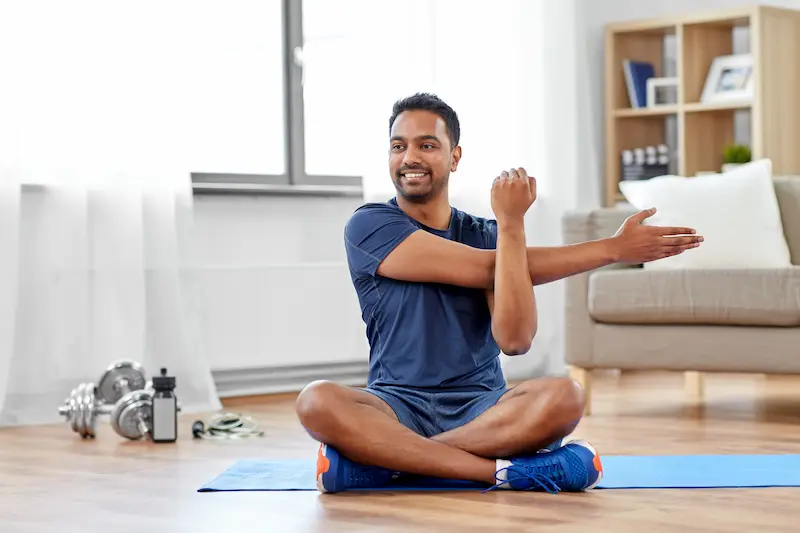
Understanding different exercise types helps you build a balanced routine.
1. Cardio Exercise
Cardio gets your heart pumping.
Examples include:
- Walking
- Jogging
- Cycling
- Swimming
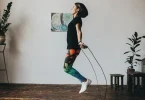
- Jump rope
- Dancing
Benefits:
- Burns calories
- Improves heart health
- Builds endurance
- Increases stamina
2. Strength Training
Strength training builds muscle and strengthens bones.
Beginner exercises include:
- Squats
- Push-ups
- Lunges
- Glute bridges
- Dumbbell curls
- Resistance band workouts
Benefits:
- Builds lean muscle
- Speeds metabolism
- Improves posture
- Increases strength
3. Flexibility Exercises
Stretching improves your range of motion.
Examples:
- Hamstring stretch
- Shoulder stretch
- Hip flexor stretch
- Neck stretch
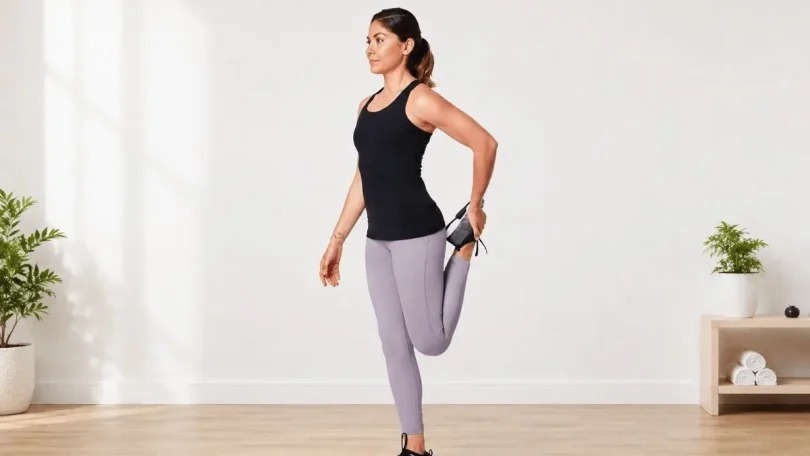
- Quad stretch
Benefits:
- Prevents stiffness
- Improves mobility
- Reduces injury risk
4. Balance Exercises
Balance becomes more important as we age.
Simple exercises:
- Standing on one leg
- Heel-to-toe walk
- Single-leg deadlift
- Tai Chi movements
Benefits:
- Better coordination
- Reduced fall risk
- Improved stability
Essential Equipment for Beginners
Good news—you don’t need expensive equipment.
You can start with:
- Comfortable workout clothes
- Supportive athletic shoes
- Water bottle
- Yoga mat
- Resistance bands
- Light dumbbells
- Jump rope
Most beginner workouts use only body weight.
Warm-Up Before Every Workout
Never skip your warm-up.
Spend 5–10 minutes doing:
- Arm circles
- Marching in place
- Leg swings
- High knees
- Light jogging
- Shoulder rolls
- Hip circles
A warm-up prepares your muscles and lowers your risk of injury.
Beginner Workout Routine
Here’s a simple weekly plan.
Monday
- 20-minute walk
- 10 squats
- 10 push-ups (wall or knee)
- 20-second plank
Tuesday
- Stretching
- Yoga
- Light walking
Wednesday
- Lunges
- Glute bridges
- Dumbbell rows
- Shoulder press
Thursday
- Rest or gentle walking
Friday
- Brisk walk
- Jump rope (optional)
- Bodyweight squats
- Plank
Saturday
- Full-body stretching
- Mobility exercises
Sunday
- Rest and recovery
Bodyweight Exercises for Beginners
Bodyweight workouts are perfect because they require no equipment.
Try:
Squats
Strengthens:
- Legs
- Glutes
- Core
Push-Ups
Strengthens:
- Chest
- Arms
- Shoulders
- Core
Modify with knee or wall push-ups if needed.
Lunges
Great for:
- Legs
- Balance
- Coordination
Plank
Targets:
- Core
- Back
- Shoulders
Start with 15–20 seconds.
Glute Bridges
Excellent for:
- Hips
- Lower back
- Glutes
Bird Dog
Improves:
- Balance
- Core stability
- Coordination
You may also like to read this:
Best Foods For Health | Healthy Eating Guide For Everyone
Nutrient Rich Foods: Complete Guide To Healthy Eating
Top Foods For A Balanced Diet For Everyday Nutrition
Healthy Eating Foods: Top Healthy Foods To Eat Every Day
Top Superfoods For Health To Support Your Body Naturally
How Long Should Beginners Exercise?
Start small.
A good goal is:
- 20–30 minutes
- 3–5 days each week
As your fitness improves, gradually increase to:
- 150 minutes of moderate exercise weekly
Consistency matters more than long workouts.
Tips to Stay Motivated
Everyone struggles with motivation sometimes.
Here are practical ways to stay on track:
- Set realistic goals
- Celebrate small victories
- Track your workouts
- Listen to music
- Exercise with a friend
- Try different activities
- Follow a schedule
- Focus on progress, not perfection
- Reward yourself with healthy treats or new workout gear
Common Beginner Mistakes
Avoid these mistakes:
Doing Too Much Too Soon
Increase intensity gradually.
Skipping Warm-Ups
Cold muscles are more prone to injury.
Ignoring Recovery
Rest days help muscles repair and grow.
Poor Form
Focus on proper technique instead of speed.
Comparing Yourself to Others
Everyone progresses at their own pace.
Healthy Eating for Exercise Beginners
Nutrition supports your workouts.
Eat plenty of:
- Fruits
- Vegetables
- Lean protein
- Whole grains
- Healthy fats
- Low-fat dairy
- Nuts and seeds
Stay hydrated by drinking water before, during, and after exercise.
Importance of Rest Days
Rest is just as important as exercise.
Recovery helps:
- Repair muscles
- Prevent burnout
- Improve performance
- Reduce soreness
Aim for at least one or two rest days each week.
How to Track Your Progress
Don’t rely only on the scale.
Track:
- Energy levels
- Strength gains
- Workout consistency
- Body measurements
- Progress photos
- Sleep quality
- Mood improvements
These signs often show progress before major physical changes.
Safety Tips for Beginners
Stay safe while exercising by following these tips:
- Start slowly
- Use proper form
- Wear supportive shoes
- Stay hydrated
- Listen to your body
- Stop if you feel sharp pain
- Cool down after workouts
- Consult a healthcare professional if you have underlying medical conditions
Sample 20-Minute Beginner Workout
Try this quick routine:
Warm-Up (5 Minutes)
- March in place
- Arm circles
- Leg swings
Workout (12 Minutes)
Repeat 2–3 rounds:
- 10 Squats
- 8 Push-ups
- 10 Lunges per leg
- 15 Glute Bridges
- 20-Second Plank
Cool Down (3 Minutes)
Stretch:
- Hamstrings
- Quads
- Shoulders
- Back
- Calves
Benefits You’ll Notice Over Time
With regular exercise, you may experience:
- More energy throughout the day
- Better sleep
- Improved mood
- Increased strength
- Better posture
- Greater flexibility
- Easier daily activities
- Improved confidence
- Enhanced overall health
Remember, results don’t happen overnight. Consistency is the key to long-term success.
Final Thoughts
Starting a fitness routine doesn’t have to be complicated. This Exercise guide for beginners is designed to help you build confidence, stay motivated, and create healthy habits that last. Focus on moving your body regularly, eating nutritious foods, and allowing time for recovery.
Every workout, no matter how small, brings you one step closer to better health. Stay patient, celebrate your progress, and enjoy the journey toward a stronger and healthier version of yourself.
Frequently Asked Questions (FAQs)
1. What is the best exercise guide for beginners?
The best Exercise guide for beginners focuses on simple, low-impact activities like walking, bodyweight exercises, stretching, and light strength training. Start slowly, learn proper form, and gradually increase the intensity as your fitness improves.
2. How often should beginners exercise?
Beginners should aim to exercise 3–5 days per week for about 20–30 minutes per session. As your endurance and strength improve, you can gradually increase the duration and intensity.
3. What exercises should beginners start with?
Some of the best beginner-friendly exercises include:
These movements help build strength, balance, and endurance without requiring advanced skills.
4. Do I need a gym membership to start exercising?
No. You can follow an Exercise guide for beginners at home using bodyweight exercises. Basic equipment like a yoga mat, resistance bands, or light dumbbells can be helpful, but they’re not required.
5. How long does it take to see exercise results?
Most beginners notice improved energy, mood, and sleep within 2–4 weeks. Visible changes in strength, endurance, or body composition typically become more noticeable after 6–12 weeks of consistent exercise and healthy eating.