
Introduction
Self care for beginners may sound overwhelming at first, especially if you’re not sure where to start. The good news is that self-care doesn’t have to be expensive, complicated, or time-consuming. It’s simply about taking care of your physical, mental, and emotional well-being through small, consistent actions that improve your quality of life.
If you’ve been feeling stressed, tired, or constantly busy, this guide is for you. Whether you’re a student, a working professional, a parent, or someone trying to create a healthier lifestyle, learning Self care for beginners can help you feel happier, healthier, and more balanced every day.
What Is Self Care?
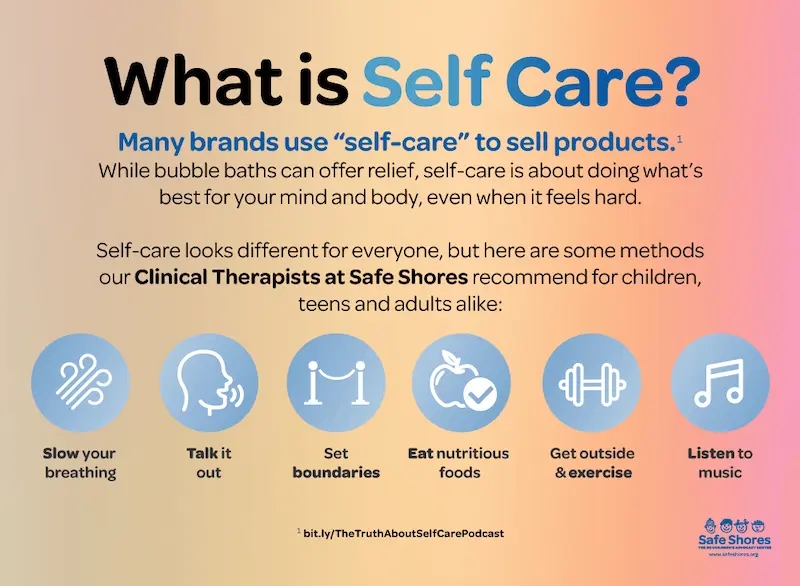
Self-care is the practice of intentionally taking care of your health and well-being. It includes anything you do to support your body, mind, and emotions.
Many people think self-care means going to a spa or buying expensive products. While those activities can be enjoyable, real self-care is much deeper. It includes getting enough sleep, eating nutritious food, exercising, managing stress, and making time for yourself.
Self-care is not selfish. When you take care of yourself, you’re better able to care for your family, friends, work, and responsibilities.
Why Self Care for Beginners Is Important
Starting a self-care routine can improve nearly every part of your life.
Benefits include:
- Reduces stress and anxiety
- Improves physical health
- Boosts mood and confidence
- Increases energy levels
- Helps prevent burnout
- Improves focus and productivity
- Supports better relationships
- Encourages healthier habits
- Improves sleep quality
- Creates a more balanced lifestyle
Even spending 10–20 minutes on self-care each day can make a noticeable difference.
Signs You Need More Self-Care
Sometimes your body and mind tell you it’s time to slow down.
Common signs include:
- Constant fatigue
- Feeling overwhelmed
- Trouble sleeping
- Frequent headaches
- Mood swings
- Irritability
- Lack of motivation
- Difficulty concentrating
- Feeling emotionally drained
- Neglecting your own needs
If several of these sound familiar, it’s a good time to focus on Self care for beginners.
Physical Self Care
Your body is the foundation of your health.
Simple ways to care for your body include:
Stay Hydrated
Drink enough water throughout the day to stay energized and support your body’s functions.
Eat Nutritious Foods
Focus on:
- Fruits
- Vegetables
- Whole grains
- Lean proteins
- Healthy fats
Small improvements to your diet can lead to long-term benefits.
Move Your Body
Exercise doesn’t have to be intense.
Try:
- Walking
- Stretching
- Yoga
- Cycling
- Dancing
- Home workouts
Aim for at least 30 minutes of movement most days.
Get Enough Sleep
Adults generally need 7–9 hours of quality sleep each night.
Create a bedtime routine by:
- Turning off screens before bed
- Keeping your room cool
- Sleeping at consistent times
- Avoiding caffeine late in the day
Mental Self Care
Taking care of your mind is just as important as caring for your body.
Ideas include:
- Reading books
- Solving puzzles
- Learning new skills
- Limiting negative news
- Taking breaks from work
- Practicing mindfulness
- Organizing your schedule
Mental self-care helps reduce stress while improving concentration.
Emotional Self Care
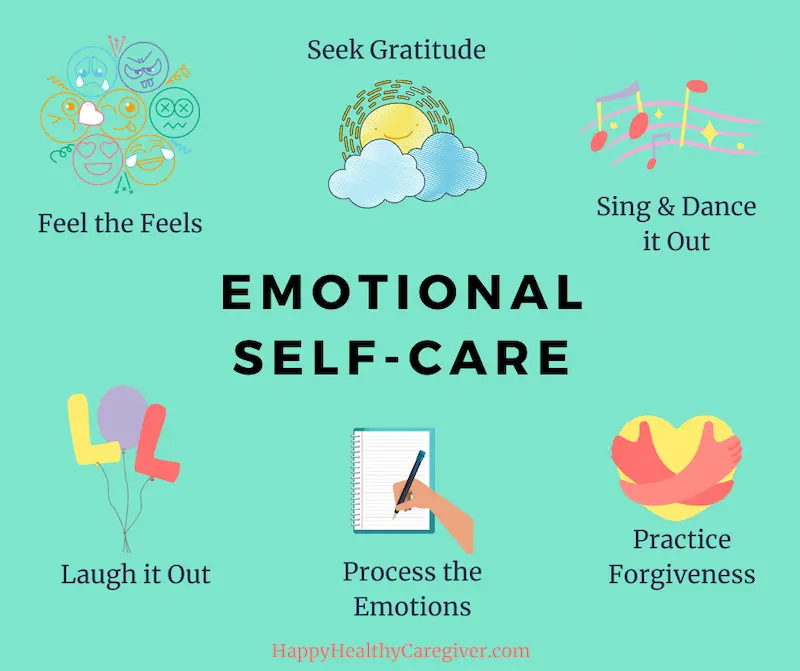
Everyone experiences emotions, and it’s healthy to process them.
Healthy emotional habits include:
- Journaling
- Talking with trusted friends
- Expressing gratitude
- Practicing self-compassion
- Allowing yourself to rest
- Seeking professional help when needed
Remember, it’s okay not to feel okay all the time.
Social Self Care
Healthy relationships contribute to better emotional health.
You can improve your social well-being by:
- Spending time with loved ones
- Calling family members
- Meeting supportive friends
- Joining community groups
- Setting healthy boundaries
- Saying no when necessary
Quality matters more than quantity.
Spiritual Self Care
Spiritual self-care looks different for everyone.
Some examples include:
- Meditation
- Prayer
- Spending time in nature
- Practicing gratitude
- Reflecting on personal values
- Volunteering
- Reading inspirational books
The goal is to feel connected to something meaningful.
Easy Self Care for Beginners Ideas
You don’t need hours each day.
Try these simple activities:
- Drink a glass of water after waking up.
- Stretch for five minutes.
- Take a short walk.
- Listen to calming music.
- Read a few pages of a book.
- Practice deep breathing.
- Write three things you’re grateful for.
- Declutter one small space.
- Eat a healthy snack.
- Spend time outdoors.
- Turn off your phone for an hour.
- Take a relaxing shower.
- Light a scented candle.
- Watch the sunset.
- Smile at yourself in the mirror.
Small habits create lasting change.
You may also like to read this:
Signs of Health Problems and What Your Body Is Telling You
Chronic Health Conditions Explained in Simple Easy Language
Health Disorders Explained: Types, Causes and Prevention
Self Care Tips For A Healthier and Happier Life Every Day
Daily Self Care Routine: Simple Habits For A Healthier Life
Create a Simple Self-Care Routine
Here’s a beginner-friendly routine you can follow.
Morning
- Wake up at a consistent time
- Drink water
- Stretch
- Eat a healthy breakfast
- Write your daily goals
Afternoon
- Take short breaks
- Eat balanced meals
- Go for a walk
- Stay hydrated
Evening
- Limit screen time
- Reflect on your day
- Read a book
- Practice gratitude
- Sleep on time
Consistency is more important than perfection.
Self-Care on a Budget
You don’t need expensive products to care for yourself.
Affordable ideas include:
- Walking outside
- Meditation
- Home workouts
- Library books
- Journaling
- Cooking healthy meals
- Gardening
- Watching educational videos
- Listening to free podcasts
- Taking relaxing baths
The best self-care habits are often free.
Common Self-Care Mistakes Beginners Make
Avoid these common mistakes:
Trying to Change Everything at Once
Start with one or two habits instead of ten.
Comparing Yourself to Others
Your self-care journey is personal.
Feeling Guilty
Taking care of yourself is a necessity, not a luxury.
Being Inconsistent
Small daily actions are more effective than occasional big efforts.
Ignoring Mental Health
Physical health is important, but emotional well-being deserves equal attention.
Tips to Stay Consistent
Building habits takes time.
Helpful tips include:
- Set realistic goals.
- Use reminders.
- Keep a journal.
- Celebrate small wins.
- Track your progress.
- Prepare healthy meals in advance.
- Find an accountability partner.
- Focus on progress instead of perfection.
Benefits You’ll Notice Over Time
As you continue practicing Self care for beginners, you may experience:
- Better sleep
- More energy
- Improved confidence
- Lower stress
- Better focus
- Healthier relationships
- Increased happiness
- Greater emotional resilience
- Improved productivity
- Better overall health
These improvements often happen gradually, so be patient with yourself.
Frequently Asked Questions
What is self care for beginners?
Self care for beginners means starting simple daily habits that improve your physical, mental, and emotional health without feeling overwhelmed.
How do beginners start self-care?
Begin by drinking more water, sleeping well, eating healthier foods, exercising regularly, and taking a few minutes each day to relax or practice gratitude.
How much time should I spend on self-care?
Even 10–20 minutes daily can provide meaningful benefits when practiced consistently.
Is self-care expensive?
No. Many self-care activities, such as walking, journaling, meditation, and getting enough sleep, are completely free.
Why is self-care important?
Self-care improves your overall health, reduces stress, boosts energy, supports emotional well-being, and helps you maintain a healthier, more balanced lifestyle.
Final Thoughts
Starting Self care for beginners doesn’t require a perfect routine or expensive products. What matters most is making small, consistent choices that support your well-being every day. Whether it’s drinking more water, taking a short walk, getting enough sleep, or spending a few quiet minutes reflecting, every positive step adds up over time.
Remember that self-care is a lifelong journey, not a destination. Be patient with yourself, celebrate your progress, and focus on creating habits that make you feel healthier, calmer, and more fulfilled. By embracing Self care for beginners, you’ll build a strong foundation for a happier and healthier future.