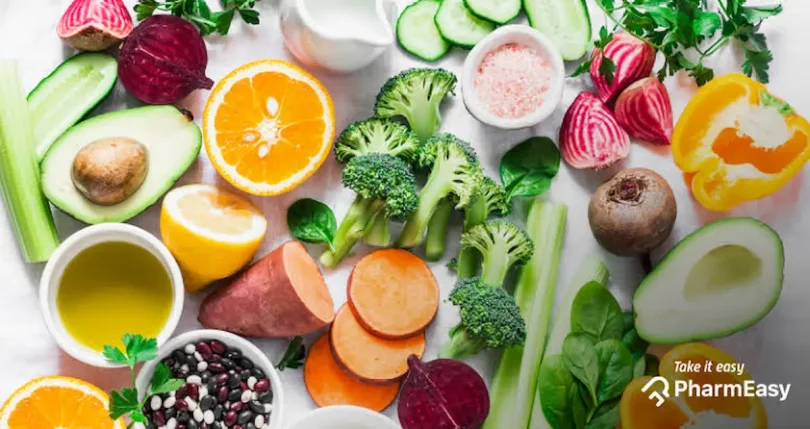

If you’re searching for a healthy foods list, you’re already taking a great step toward improving your overall health. The truth is, eating healthy doesn’t have to be complicated or expensive. By adding more nutritious foods to your daily meals, you can boost your energy, strengthen your immune system, maintain a healthy weight, and reduce the risk of many chronic diseases.
In this guide, we’ll walk through a complete healthy foods list, explain why each food is good for you, and share simple ways to include these foods in your everyday diet.
What Is a Healthy Foods List?
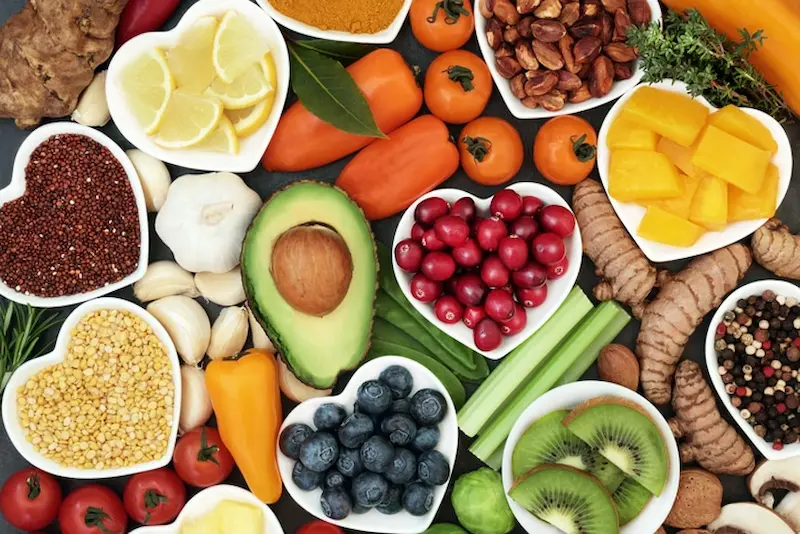
A healthy foods list is a collection of nutrient-rich foods that provide your body with essential vitamins, minerals, healthy fats, protein, fiber, and antioxidants. These foods support your physical and mental health while helping your body function at its best.
A balanced healthy diet includes foods from several categories:
- Fruits
- Vegetables
- Whole grains
- Lean proteins
- Healthy fats
- Dairy or dairy alternatives
- Nuts and seeds
- Legumes
Eating a variety of these foods ensures your body gets all the nutrients it needs.
Why Eating Healthy Foods Matters
Choosing healthy foods offers many long-term benefits, including:
- Supports heart health
- Helps maintain a healthy weight
- Improves digestion
- Increases energy levels
- Strengthens the immune system
- Promotes healthy skin and hair
- Supports brain function
- Reduces inflammation
- Lowers the risk of diabetes and high blood pressure
- Improves overall well-being
Healthy eating isn’t about perfection—it’s about making better choices more often.
Healthy Foods List by Category
1. Fruits
Fruits are naturally sweet and packed with vitamins, fiber, and antioxidants.
Some of the healthiest fruits include:
- Apples
- Bananas
- Oranges
- Blueberries
- Strawberries
- Grapes
- Kiwi
- Pineapple
- Mango
- Watermelon
- Papaya
- Pears
- Cherries
- Avocados
- Pomegranates
Benefits
- Rich in Vitamin C
- High in antioxidants
- Good source of fiber
- Supports digestion
- Boosts immunity
2. Vegetables
Vegetables should make up a large part of every healthy diet.
Healthy vegetables include:
- Spinach
- Kale
- Broccoli
- Cauliflower
- Carrots
- Tomatoes
- Cucumbers
- Bell peppers
- Cabbage
- Sweet potatoes
- Green beans
- Zucchini
- Mushrooms
- Asparagus
- Brussels sprouts
Benefits
- Low in calories
- High in vitamins
- Rich in minerals
- Supports eye health
- Helps reduce inflammation
3. Whole Grains
Whole grains contain more nutrients than refined grains because they retain the bran and germ.
Examples include:
- Brown rice
- Oats
- Whole wheat bread
- Whole wheat pasta
- Quinoa
- Barley
- Millet
- Buckwheat
- Whole grain cereal
- Popcorn (air-popped)
Benefits
- High in fiber
- Supports heart health
- Keeps you full longer
- Helps manage blood sugar
Lean Protein Foods
Protein helps build muscles and repair body tissues.
Healthy protein sources include:
Animal Protein
- Chicken breast
- Turkey
- Eggs
- Fish
- Salmon
- Tuna
- Sardines
- Greek yogurt
Plant Protein
- Lentils
- Chickpeas
- Black beans
- Kidney beans
- Edamame
- Tofu
- Tempeh
Benefits
- Builds muscle
- Keeps you satisfied
- Supports metabolism
- Helps repair tissues
Healthy Fats
Not all fats are unhealthy. Healthy fats support heart and brain health.
Include foods like:
- Avocados
- Olive oil
- Almonds
- Walnuts
- Pistachios
- Cashews
- Chia seeds
- Flaxseeds
- Pumpkin seeds
- Sunflower seeds
Benefits
- Supports heart health
- Improves brain function
- Helps absorb vitamins
- Keeps skin healthy
You may also like to read this:
Daily Self Care Routine: Simple Habits For A Healthier Life
Self Care For Beginners: Build Healthy Habits Every Day
Best Self Care Activities To Boost Your Mind and Body
How To Practice Self Care: Daily Habits To Reduce Stress
15 Self Care Habits That Can Transform Your Daily Life
Dairy and Dairy Alternatives
Choose low-fat or unsweetened options when possible.
Healthy choices include:
- Low-fat milk
- Greek yogurt
- Cottage cheese
- Plain yogurt
- Fortified soy milk
- Almond milk
- Oat milk
Benefits
- Rich in calcium
- Supports bone health
- Provides protein
- Contains Vitamin D (when fortified)
Legumes
Legumes are affordable, filling, and nutrient-rich.
Healthy legumes include:
- Lentils
- Chickpeas
- Black beans
- Kidney beans
- Navy beans
- Pinto beans
- Split peas
Benefits
- High in fiber
- Rich in plant protein
- Helps lower cholesterol
- Supports digestive health
Nuts and Seeds
A small handful each day provides healthy nutrients.
Healthy choices include:
- Almonds
- Walnuts
- Pecans
- Pistachios
- Cashews
- Chia seeds
- Pumpkin seeds
- Sesame seeds
- Flaxseeds
Benefits
- Healthy fats
- Protein
- Fiber
- Antioxidants
- Heart-healthy nutrients
Healthy Seafood
Seafood is one of the healthiest protein choices.
Best options include:
- Salmon
- Sardines
- Trout
- Tuna
- Mackerel
- Shrimp
Benefits
- Omega-3 fatty acids
- Protein
- Vitamin D
- Supports brain and heart health
Healthy Snacks
Healthy snacks help control hunger between meals.
Ideas include:
- Apple with peanut butter
- Greek yogurt with berries
- Mixed nuts
- Carrot sticks and hummus
- Cottage cheese
- Fresh fruit
- Air-popped popcorn
- Boiled eggs
- Rice cakes with avocado
- Trail mix (unsweetened)
Superfoods to Add to Your Healthy Foods List
These nutrient-dense foods are worth including regularly:
- Blueberries
- Salmon
- Kale
- Spinach
- Chia seeds
- Flaxseeds
- Avocados
- Sweet potatoes
- Greek yogurt
- Broccoli
- Green tea
- Garlic
- Turmeric
- Ginger
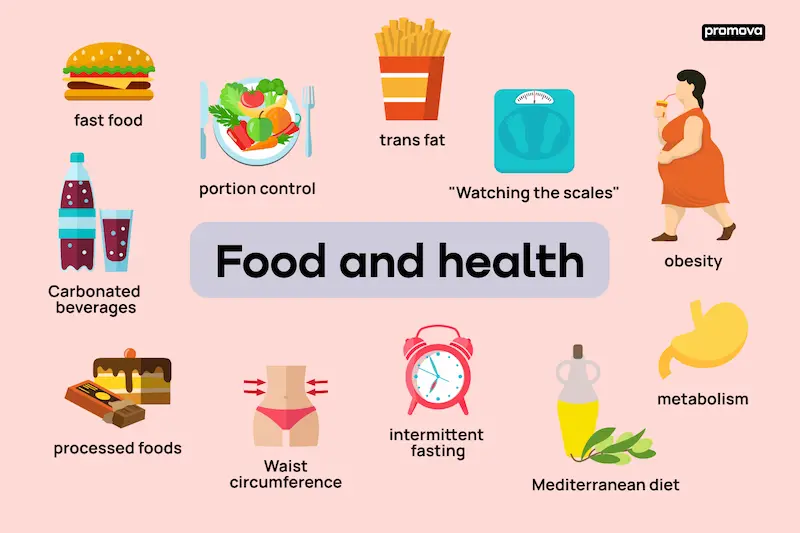
Foods to Limit
Healthy eating also means reducing foods that offer little nutritional value.
Try to limit:
- Sugary drinks
- Candy
- Processed snacks
- Fried foods
- Fast food
- Processed meats
- White bread
- Pastries
- Excess salt
- Foods high in added sugar
Enjoy these occasionally rather than making them everyday choices.
Simple Tips for Eating More Healthy Foods
Healthy habits don’t have to be difficult.
Try these easy tips:
- Fill half your plate with vegetables.
- Eat fruit instead of sugary desserts.
- Choose whole grains whenever possible.
- Drink more water throughout the day.
- Snack on nuts or yogurt instead of chips.
- Cook more meals at home.
- Read food labels before buying packaged foods.
- Plan your meals for the week.
- Keep healthy snacks within easy reach.
- Eat a variety of colorful fruits and vegetables.
Small changes made consistently often lead to lasting results.
Sample One-Day Healthy Meal Plan
Breakfast
- Oatmeal with blueberries
- Greek yogurt
- Green tea
Morning Snack
- Apple
- Handful of almonds
Lunch
- Grilled chicken
- Brown rice
- Steamed broccoli
- Mixed salad
Afternoon Snack
- Carrot sticks
- Hummus
Dinner
- Baked salmon
- Sweet potato
- Spinach salad
Evening Snack
- Cottage cheese
- Fresh berries
Common Mistakes When Trying to Eat Healthy
Avoid these common pitfalls:
- Skipping meals
- Drinking too many sugary beverages
- Eating oversized portions
- Ignoring vegetables
- Choosing highly processed “health” foods
- Not drinking enough water
- Eating too much added sugar
- Depending on fad diets
Consistency is more important than perfection.
How to Build a Balanced Plate
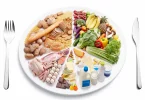
A simple way to create healthy meals is to divide your plate into sections:
- Half the plate: Vegetables and fruits
- One-quarter: Lean protein
- One-quarter: Whole grains
- Add: A small serving of healthy fats
This balanced approach provides a mix of nutrients while helping with portion control.
Frequently Asked Questions
What are the healthiest foods to eat every day?
Some of the healthiest foods include leafy greens, berries, apples, oats, brown rice, eggs, salmon, Greek yogurt, beans, nuts, seeds, and vegetables.
What foods should I avoid for better health?
Limit sugary drinks, processed snacks, fried foods, fast food, excessive sweets, and foods high in added sugars and sodium.
How many servings of fruits and vegetables should I eat daily?
Aim for at least five servings of fruits and vegetables each day. Including a variety of colors helps you get a broader range of nutrients.
Is eating healthy expensive?
Not necessarily. Foods like beans, oats, seasonal fruits, frozen vegetables, eggs, and brown rice are affordable and nutritious.
Can healthy foods help with weight loss?
Yes. Many healthy foods are rich in fiber and protein, helping you feel full longer and making it easier to manage your calorie intake when combined with regular physical activity.
Final Thoughts
Following a healthy foods list doesn’t mean giving up your favorite meals or following strict rules. Instead, it’s about making smart, balanced choices that nourish your body and support your long-term health. Start by adding more fruits, vegetables, whole grains, lean proteins, legumes, nuts, and healthy fats to your meals. Even small improvements, like replacing sugary snacks with fresh fruit or choosing whole grains over refined ones, can make a meaningful difference over time.
Remember, healthy eating is a journey. Focus on progress, enjoy a variety of nutritious foods, and build habits you can maintain for life. By using this healthy foods list as your guide, you’ll be well on your way to a healthier, more energetic lifestyle.