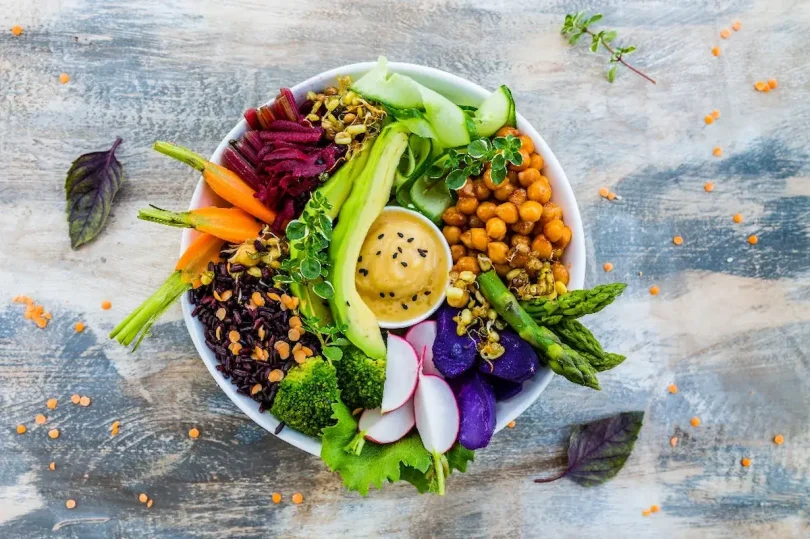

Have you ever wondered why some foods make you feel energized while others leave you feeling tired? The answer often comes down to choosing nutrient rich foods. These foods provide your body with a high amount of vitamins, minerals, fiber, healthy fats, and protein while being relatively low in calories. Adding more nutrient rich foods to your daily meals is one of the simplest ways to improve your overall health, support your immune system, maintain a healthy weight, and boost your energy levels.
In this complete guide, you’ll learn what nutrient rich foods are, why they’re important, the best examples to include in your diet, and easy ways to eat more of them every day.
What Are Nutrient Rich Foods?

Nutrient rich foods are foods that deliver a large amount of essential nutrients without adding excessive calories, sugar, or unhealthy fats. They help your body perform important functions like repairing tissues, producing energy, supporting brain function, and strengthening your immune system.
These foods are naturally packed with nutrients such as:
- Vitamins
- Minerals
- Fiber
- Lean protein
- Healthy fats
- Antioxidants
- Phytochemicals
Unlike highly processed foods, nutrient rich foods nourish your body and keep you fuller for longer.
Why Are Nutrient Rich Foods Important?
Your body relies on nutrients every single day. Eating a variety of nutrient rich foods helps support nearly every organ and system.
Benefits include:
- Improves overall health
- Boosts immunity
- Supports heart health
- Promotes healthy digestion
- Helps maintain a healthy weight
- Increases energy levels
- Supports muscle growth
- Strengthens bones
- Improves brain function
- Reduces the risk of chronic diseases
Choosing nutrient rich foods regularly can also help lower your intake of empty calories from sugary snacks and processed foods.
Characteristics of Nutrient Rich Foods
Most nutrient rich foods share several qualities:
- Naturally high in vitamins and minerals
- Rich in dietary fiber
- Low in added sugar
- Low in sodium
- Minimal processing
- Good source of protein or healthy fats
- High in antioxidants
- Supports long-lasting energy
Best Nutrient Rich Foods to Add to Your Diet

1. Leafy Green Vegetables
Leafy greens are among the healthiest nutrient rich foods available.
Examples include:
- Spinach
- Kale
- Swiss chard
- Collard greens
- Lettuce
Benefits:
- Rich in Vitamin A
- High in Vitamin K
- Excellent source of folate
- Supports healthy bones
- Promotes eye health
2. Colorful Vegetables
Different colored vegetables provide different nutrients.
Great choices include:
- Broccoli
- Carrots
- Bell peppers
- Tomatoes
- Sweet potatoes
- Cauliflower
- Brussels sprouts
These vegetables are loaded with antioxidants that help protect your cells.
3. Fresh Fruits
Fruits naturally provide vitamins, minerals, fiber, and antioxidants.
Some of the best nutrient rich foods among fruits include:
- Blueberries
- Strawberries
- Apples
- Bananas
- Oranges
- Kiwi
- Grapes
- Pomegranate
- Mango
- Papaya
Eating different fruits every week gives your body a wider range of nutrients.
4. Whole Grains
Whole grains contain more nutrients than refined grains because they keep all parts of the grain.
Healthy options include:
- Oats
- Brown rice
- Quinoa
- Whole wheat
- Barley
- Millet
- Buckwheat
Benefits include:
- Better digestion
- Long-lasting energy
- Lower cholesterol
- Improved blood sugar control
5. Lean Protein Sources
Protein is essential for repairing muscles and maintaining healthy tissues.
Choose:
- Chicken breast
- Turkey
- Fish
- Eggs
- Beans
- Lentils
- Chickpeas
- Tofu
- Greek yogurt
These nutrient rich foods help keep you satisfied between meals.
You may also like to read this:
Best Self Care Activities To Boost Your Mind and Body
How To Practice Self Care: Daily Habits To Reduce Stress
15 Self Care Habits That Can Transform Your Daily Life
Healthy Foods List: Nutritious Foods for Better Health
Best Foods For Health | Healthy Eating Guide For Everyone
6. Fatty Fish
Fatty fish provide healthy omega-3 fatty acids.
Top choices include:
- Salmon
- Sardines
- Mackerel
- Tuna
- Trout
Benefits:
- Supports brain health
- Protects the heart
- Reduces inflammation
- Improves eye health
7. Nuts and Seeds
Even though they’re calorie-dense, nuts and seeds are incredibly nutritious.
Excellent choices:
- Almonds
- Walnuts
- Pistachios
- Chia seeds
- Flaxseeds
- Pumpkin seeds
- Sunflower seeds
They provide:
- Healthy fats
- Fiber
- Protein
- Magnesium
- Vitamin E
8. Dairy or Dairy Alternatives
Healthy dairy products offer calcium and protein.
Choose:
- Milk
- Greek yogurt
- Cottage cheese
- Fortified soy milk
- Fortified almond milk
These foods support strong bones and teeth.
9. Legumes
Legumes are affordable and highly nutritious.
Examples:
- Kidney beans
- Black beans
- Lentils
- Peas
- Chickpeas
Benefits:
- High in fiber
- Rich in protein
- Supports digestion
- Helps control blood sugar
10. Healthy Fats
Not all fats are unhealthy.
Healthy sources include:
- Avocados
- Olive oil
- Nuts
- Seeds
- Fatty fish
Healthy fats support hormone production and brain function.
Nutrients Your Body Needs Daily
Eating nutrient rich foods helps provide:
Protein
Supports muscles, skin, and tissue repair.
Fiber
Improves digestion and keeps you full.
Calcium
Essential for strong bones.
Iron
Helps carry oxygen throughout your body.
Vitamin C
Boosts immunity and skin health.
Vitamin D
Supports bone strength.
Potassium
Helps regulate blood pressure.
Magnesium
Supports muscle and nerve function.
Healthy Fats
Essential for heart and brain health.
Foods That Are Less Nutrient Dense
Try limiting foods such as:
- Sugary drinks
- Candy
- Chips
- Fast food
- White bread
- Processed snacks
- Sugary cereals
- Fried foods
These foods often contain many calories but relatively few nutrients.
Easy Ways to Eat More Nutrient Rich Foods
You don’t have to change your entire diet overnight. Small changes make a big difference.
Try these ideas:
- Fill half your plate with vegetables.
- Choose whole fruit instead of juice.
- Replace white bread with whole grain bread.
- Snack on nuts instead of chips.
- Eat beans several times a week.
- Add spinach to smoothies.
- Include protein with every meal.
- Drink more water instead of sugary beverages.
- Cook more meals at home.
- Plan healthy snacks in advance.
Sample One-Day Meal Plan
Breakfast
- Oatmeal with berries
- Greek yogurt
- Chia seeds
Morning Snack
- Apple
- Handful of almonds
Lunch
- Grilled chicken
- Brown rice
- Steamed broccoli
- Mixed salad
Afternoon Snack
- Carrot sticks
- Hummus
Dinner
- Baked salmon
- Sweet potato
- Roasted vegetables
Evening Snack
- Cottage cheese
- Fresh berries
Common Mistakes to Avoid
Many people think healthy eating has to be complicated. Avoid these common mistakes:
- Skipping vegetables
- Eating too many processed foods
- Drinking sugary beverages daily
- Ignoring portion sizes
- Not eating enough protein
- Avoiding healthy fats
- Choosing refined grains instead of whole grains
Who Should Focus on Nutrient Rich Foods?
Almost everyone benefits from eating more nutrient rich foods, especially:
- Children
- Teenagers
- Adults
- Older adults
- Athletes
- Pregnant women
- Busy professionals
- People trying to lose weight
Frequently Asked Questions
What are nutrient rich foods?
Nutrient rich foods are foods that provide a high amount of vitamins, minerals, protein, fiber, and healthy fats relative to their calorie content.
Are eggs considered nutrient rich foods?
Yes. Eggs are an excellent source of high-quality protein, vitamins, and minerals, making them a great addition to a healthy diet.
Which fruit is the most nutrient rich?
There isn’t a single “best” fruit, but berries, oranges, kiwi, apples, and pomegranates are among the most nutrient-dense choices.
How can I start eating more nutrient rich foods?
Start by adding more vegetables, fruits, whole grains, lean proteins, nuts, and legumes to your meals while reducing highly processed foods.
Are frozen fruits and vegetables nutritious?
Yes. Frozen fruits and vegetables retain most of their nutrients and can be a convenient, affordable option.
Final Thoughts
Choosing nutrient rich foods is one of the best investments you can make in your health. Instead of focusing on strict diets or eliminating entire food groups, aim to fill your plate with colorful vegetables, fresh fruits, whole grains, lean proteins, healthy fats, and legumes. These foods provide the vitamins, minerals, fiber, and antioxidants your body needs to thrive.
By making small, consistent changes and including more nutrient rich foods in your daily routine, you can enjoy better energy, improved overall health, and long-term wellness.