
Have you ever wondered which foods for a balanced diet you should eat to stay healthy, energetic, and strong? The good news is that eating a balanced diet doesn’t mean following a strict meal plan or giving up your favorite foods. Instead, it’s about choosing a variety of nutritious foods that provide your body with the vitamins, minerals, protein, healthy fats, and carbohydrates it needs every day.
In this guide, you’ll learn everything about foods for a balanced diet, why they matter, the best foods to include, foods to limit, and practical tips to build healthier meals for yourself and your family.
What Is a Balanced Diet?
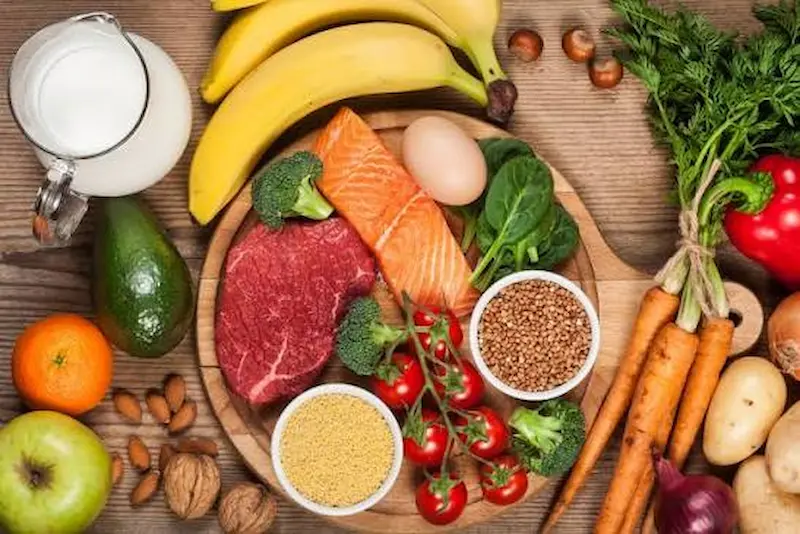
A balanced diet is a way of eating that provides your body with all the essential nutrients in the right amounts. Every meal should include a combination of:
- Fruits
- Vegetables
- Whole grains
- Lean proteins
- Healthy fats
- Dairy or dairy alternatives
- Plenty of water
When you regularly eat foods for a balanced diet, your body receives the nutrients it needs to function properly.
Why Are Foods for a Balanced Diet Important?
Choosing nutritious foods offers countless health benefits.
These include:
- Supports healthy growth
- Boosts immunity
- Maintains healthy weight
- Improves digestion
- Gives long-lasting energy
- Strengthens bones
- Supports brain function
- Promotes healthy skin
- Reduces the risk of chronic diseases
- Improves mood and mental well-being
Healthy eating isn’t about perfection—it’s about making better choices consistently.
Essential Foods for a Balanced Diet
Let’s look at each food group in detail.
1. Fruits
Fruits are naturally rich in vitamins, minerals, antioxidants, and fiber.
Best choices include:
- Apples
- Bananas
- Oranges
- Berries
- Mangoes
- Papayas
- Grapes
- Pears
- Pineapple
- Kiwi
Benefits
- Rich in Vitamin C
- Improves digestion
- Supports heart health
- Helps maintain hydration
- Provides natural sweetness
Try eating at least 2 servings of fruit every day.
2. Vegetables
Vegetables are among the most important foods for a balanced diet because they’re packed with nutrients while being low in calories.
Healthy vegetables include:
- Spinach
- Broccoli
- Carrots
- Bell peppers
- Tomatoes
- Cucumbers
- Cauliflower
- Cabbage
- Sweet potatoes
- Green beans
Benefits
- High in fiber
- Rich in vitamins A, C, and K
- Supports immunity
- Helps maintain healthy weight
- Good for heart health
Aim for colorful vegetables every day.
3. Whole Grains
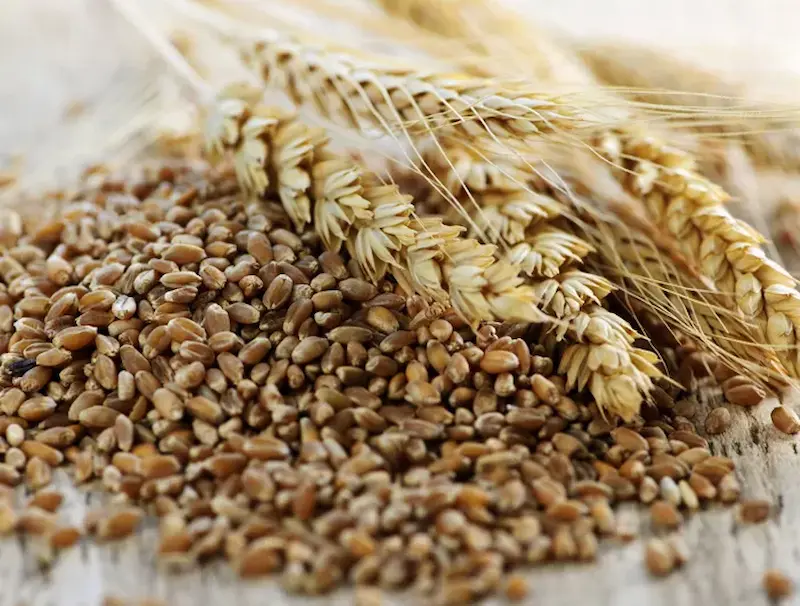
Whole grains provide complex carbohydrates that give your body lasting energy.
Examples include:
- Brown rice
- Oats
- Whole wheat bread
- Whole wheat pasta
- Quinoa
- Barley
- Millet
- Whole grain cereals
Benefits
- High in fiber
- Keeps you full longer
- Supports digestion
- Helps control blood sugar
- Improves heart health
Choose whole grains instead of refined grains whenever possible.
4. Lean Protein
Protein helps build muscles, repair tissues, and support immune function.
Healthy protein sources include:
Animal Protein
- Chicken
- Turkey
- Fish
- Eggs
- Low-fat dairy
Plant Protein
- Lentils
- Beans
- Chickpeas
- Tofu
- Tempeh
- Soybeans
- Peas
Benefits
- Builds muscle
- Keeps you satisfied
- Supports metabolism
- Repairs body tissues
Include protein in every meal.
5. Healthy Fats
Not all fats are unhealthy. Healthy fats are essential for brain function and hormone production.
Best sources include:
- Avocados
- Olive oil
- Nuts
- Almonds
- Walnuts
- Chia seeds
- Flaxseeds
- Pumpkin seeds
- Fatty fish
Benefits
- Supports brain health
- Improves heart health
- Helps absorb vitamins
- Reduces inflammation
Eat healthy fats in moderation.
6. Dairy and Dairy Alternatives
These foods provide calcium and protein.
Healthy choices include:
- Milk
- Yogurt
- Cheese
- Fortified soy milk
- Fortified almond milk
Benefits
- Strong bones
- Healthy teeth
- Muscle function
- Supports growth
Choose low-fat or unsweetened options when possible.
7. Water
Although not technically food, water is essential for a balanced diet.
Benefits include:
- Prevents dehydration
- Supports digestion
- Regulates body temperature
- Improves concentration
- Helps remove waste
Drink enough water throughout the day.
You may also like to read this:
How To Practice Self Care: Daily Habits To Reduce Stress
15 Self Care Habits That Can Transform Your Daily Life
Healthy Foods List: Nutritious Foods for Better Health
Best Foods For Health | Healthy Eating Guide For Everyone
Nutrient Rich Foods: Complete Guide To Healthy Eating
Foods Rich in Fiber
Fiber plays an important role in digestion.
High-fiber foods include:
- Beans
- Lentils
- Oats
- Apples
- Pears
- Whole grains
- Broccoli
- Carrots
- Chia seeds
Benefits:
- Prevents constipation
- Supports gut health
- Helps control cholesterol
- Keeps you full longer
Foods Rich in Vitamins and Minerals
Your body needs different vitamins every day.
Vitamin A
- Carrots
- Sweet potatoes
- Spinach
Vitamin C
- Oranges
- Strawberries
- Bell peppers
Vitamin D
- Salmon
- Fortified milk
- Eggs
Calcium
- Yogurt
- Cheese
- Milk
Iron
- Spinach
- Lentils
- Beans
- Lean meat
Potassium
- Bananas
- Potatoes
- Avocados
Eating a variety of foods for a balanced diet helps you naturally get these nutrients.
Foods to Limit
A balanced diet also means reducing foods that offer little nutritional value.
Limit:
- Sugary drinks
- Candy
- Cakes
- Cookies
- Fried foods
- Fast food
- Processed meats
- Chips
- Excess salt
- Highly processed snacks
You don’t have to eliminate these completely—just enjoy them occasionally.
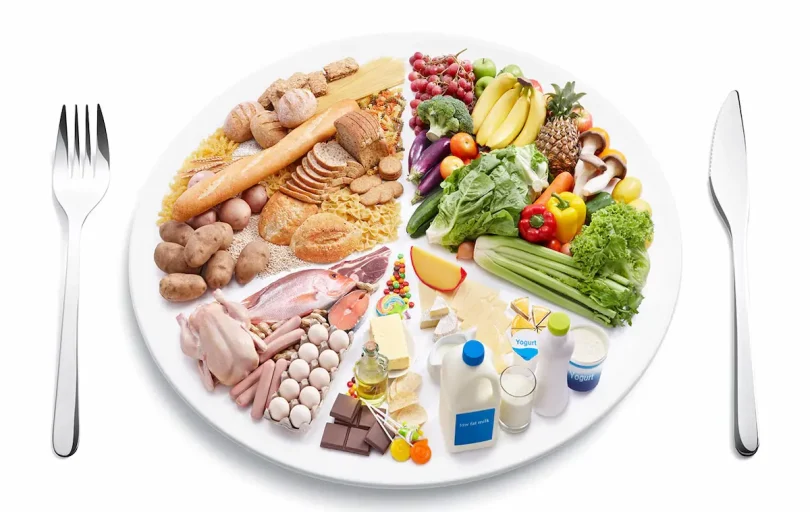
Building a Balanced Plate
A simple way to create healthy meals is to divide your plate like this:
- Half vegetables and fruits
- One-quarter whole grains
- One-quarter lean protein
- Add a serving of healthy fat
- Include water or milk
This method makes healthy eating simple and practical.
Sample Balanced Meal Plan
Breakfast
- Oatmeal with berries
- Boiled egg
- Glass of milk
Morning Snack
- Apple
- Handful of almonds
Lunch
- Grilled chicken
- Brown rice
- Mixed vegetables
- Yogurt
Afternoon Snack
- Carrot sticks
- Hummus
Dinner
- Baked fish
- Sweet potato
- Steamed broccoli
- Side salad
Evening Snack
- Greek yogurt
- Fresh fruit
Tips for Eating More Foods for a Balanced Diet
Here are some simple habits that can make healthy eating easier:
- Fill half your plate with vegetables.
- Choose whole grains instead of refined grains.
- Include a source of protein with every meal.
- Snack on fruits, nuts, or yogurt instead of processed snacks.
- Drink water regularly throughout the day.
- Cook more meals at home to control ingredients.
- Read nutrition labels when shopping.
- Practice portion control to avoid overeating.
- Plan your meals ahead of time.
- Enjoy treats occasionally without feeling guilty.
Small, consistent changes often lead to lasting results.
Common Mistakes to Avoid
Many people think they’re eating healthy but make these common mistakes:
- Skipping meals
- Eating too much processed food
- Drinking sugary beverages daily
- Ignoring portion sizes
- Eating too little protein
- Avoiding healthy fats completely
- Not drinking enough water
- Relying on supplements instead of whole foods
A balanced diet focuses on variety, moderation, and consistency.
Can You Eat Your Favorite Foods?
Absolutely!
Healthy eating doesn’t mean giving up pizza, desserts, or burgers forever.
The key is moderation. If most of your meals include foods for a balanced diet, occasional treats can still fit into a healthy lifestyle.
Remember, no single meal defines your overall health—your long-term eating habits matter most.
Final Thoughts
Choosing the right foods for a balanced diet is one of the best investments you can make in your health. By including fruits, vegetables, whole grains, lean proteins, healthy fats, dairy or fortified alternatives, and plenty of water, you give your body the nutrients it needs to thrive.
Healthy eating doesn’t have to be complicated. Start with small changes, enjoy a variety of foods, and focus on consistency rather than perfection. Over time, these habits can help you feel more energetic, support a healthy weight, strengthen your immune system, and improve your overall well-being. A balanced diet is not about restriction—it’s about nourishing your body with the right foods every day.
FAQs About Foods for a Balanced Diet
1. What are foods for a balanced diet?
Foods for a balanced diet include a variety of nutrient-rich foods such as fruits, vegetables, whole grains, lean proteins, healthy fats, dairy or fortified dairy alternatives, and plenty of water. These foods provide the nutrients your body needs to function properly.
2. Why are foods for a balanced diet important?
Foods for a balanced diet help support overall health by providing essential vitamins, minerals, protein, fiber, and healthy fats. They can boost energy, strengthen the immune system, improve digestion, and reduce the risk of chronic diseases.
3. What should a balanced meal include?
A balanced meal should include:
Half a plate of fruits and vegetables
One-quarter whole grains
One-quarter lean protein
A small serving of healthy fats
Water or a healthy beverage
4. Which fruits are best for a balanced diet?
Some of the best fruits include apples, bananas, oranges, berries, mangoes, grapes, pears, papayas, and kiwi. Eating a variety of fruits helps you get different vitamins and antioxidants.
5. What are the healthiest vegetables to eat?
Healthy vegetables include spinach, broccoli, carrots, bell peppers, tomatoes, cucumbers, cabbage, cauliflower, kale, and sweet potatoes. Aim to include colorful vegetables in your meals every day.